


Can a heat pump handle winter here
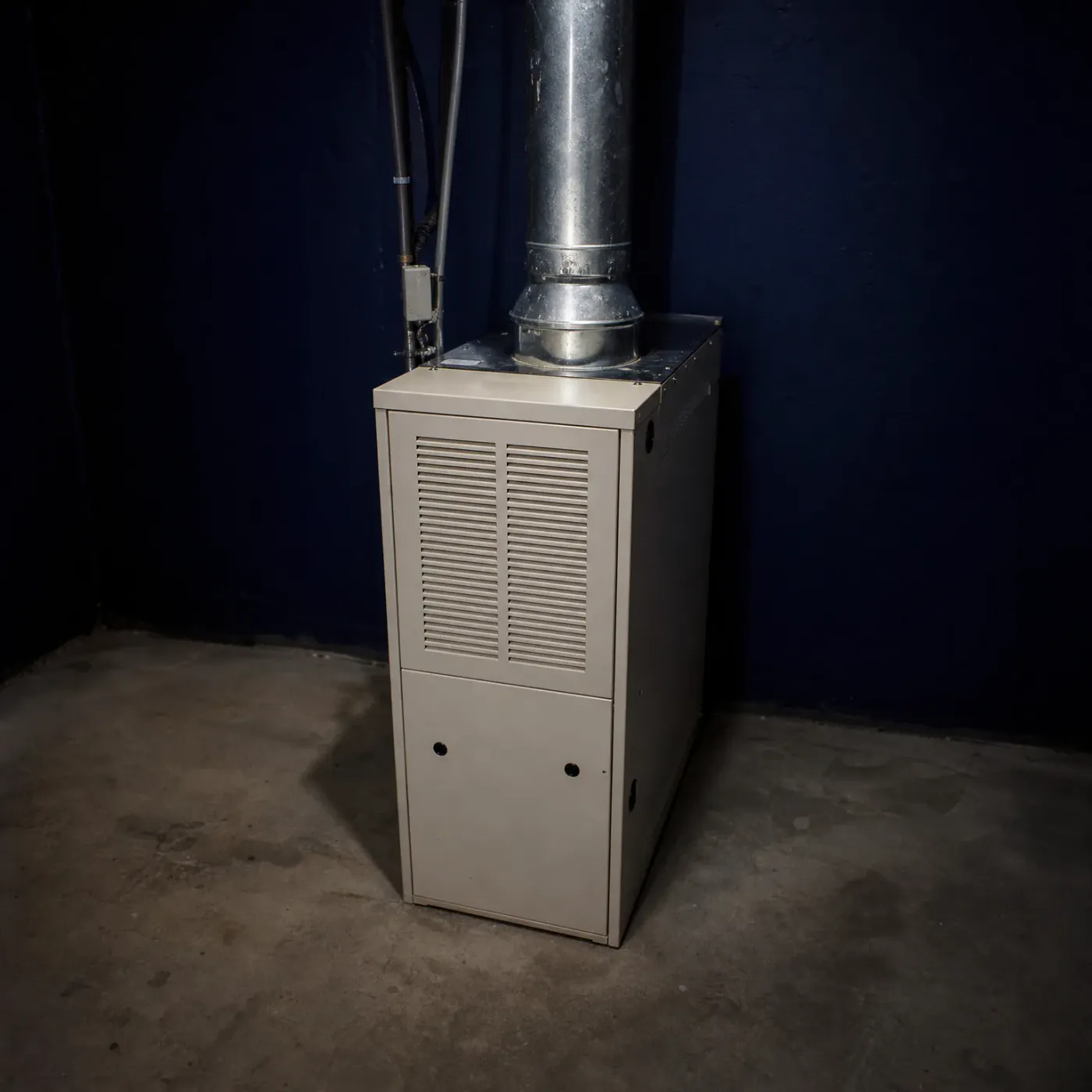
Your furnace here runs eight months a year, October through May, and the overnight low in December, January and February averages 20 degrees. That's below both marks that matter for a heat pump. Below 40°F a standard heat pump puts out less heat than its rating. Below about 35°F it often needs backup heat to keep up. At 20 degrees average, you're under both marks most of the winter, not just on the cold nights.
About 135 nights a year here drop to freezing or below, over half the nights in heating season. Every one of those nights is below the 40 and 35 degree marks. So a standard heat pump isn't working at full strength on an average winter night here, it's working at full strength on the rare mild one.
There's a real exception. A heat pump with the ENERGY STAR Cold Climate mark has to prove, in third-party testing, that it still makes 1.75 units of heat for every unit of electricity at 5°F and holds onto 70 percent of its warm-weather capacity at that temperature. A two-winter field test of prototype cold-climate heat pumps backed this up: backup heat covered only a small share of the load between 0°F and 35°F, and the system almost never ran on backup alone above 0°F. DeKalb County only sees about 7 nights a year at 0°F or below, so a cold-climate model is built for exactly the kind of winter this county has. A standard heat pump is not.