



What the cold here does to a heat pump
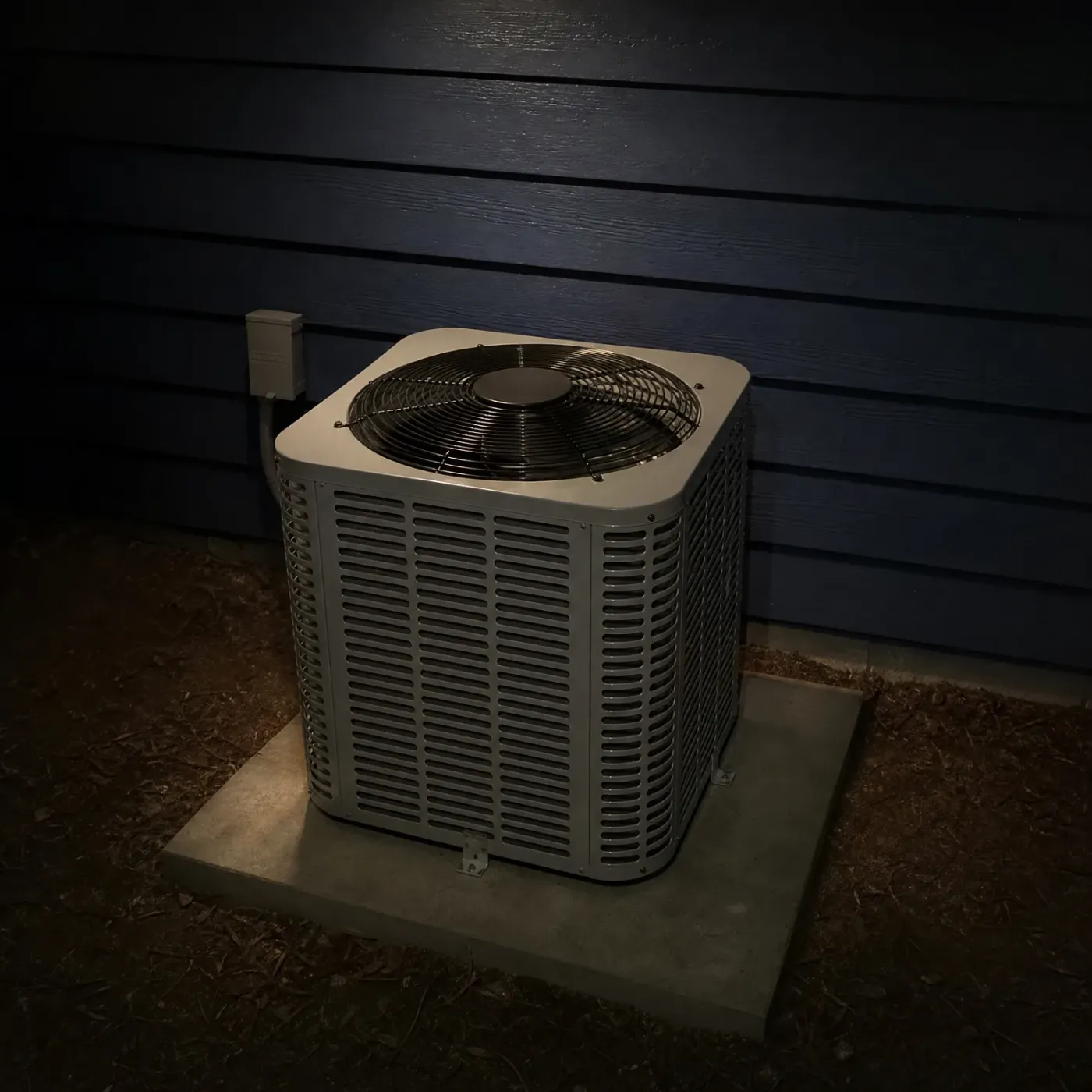
Your winter low here averages 23°F, and that is past the point where a standard heat pump starts to struggle. Below 40°F its heat output drops under its rating. Below about 35°F it typically needs backup heat to make up the difference. Both marks sit above your average low, not below it.
About 115 nights a year here drop to freezing or below, roughly half the nights across the eight months you run heat. On every one of those nights a standard heat pump is working below both marks, leaning on backup heat to keep the house warm. That backup heat usually means electric resistance heat, the most expensive way to warm a house.
It does not get brutal often. About 5 nights a year reach 0°F or below, a small part of those 115. A standard heat pump loses a real part of its capacity at that temperature, but it is not fighting single digits most of the season. Most of its hard nights are in the 20s and 30s, not below zero.
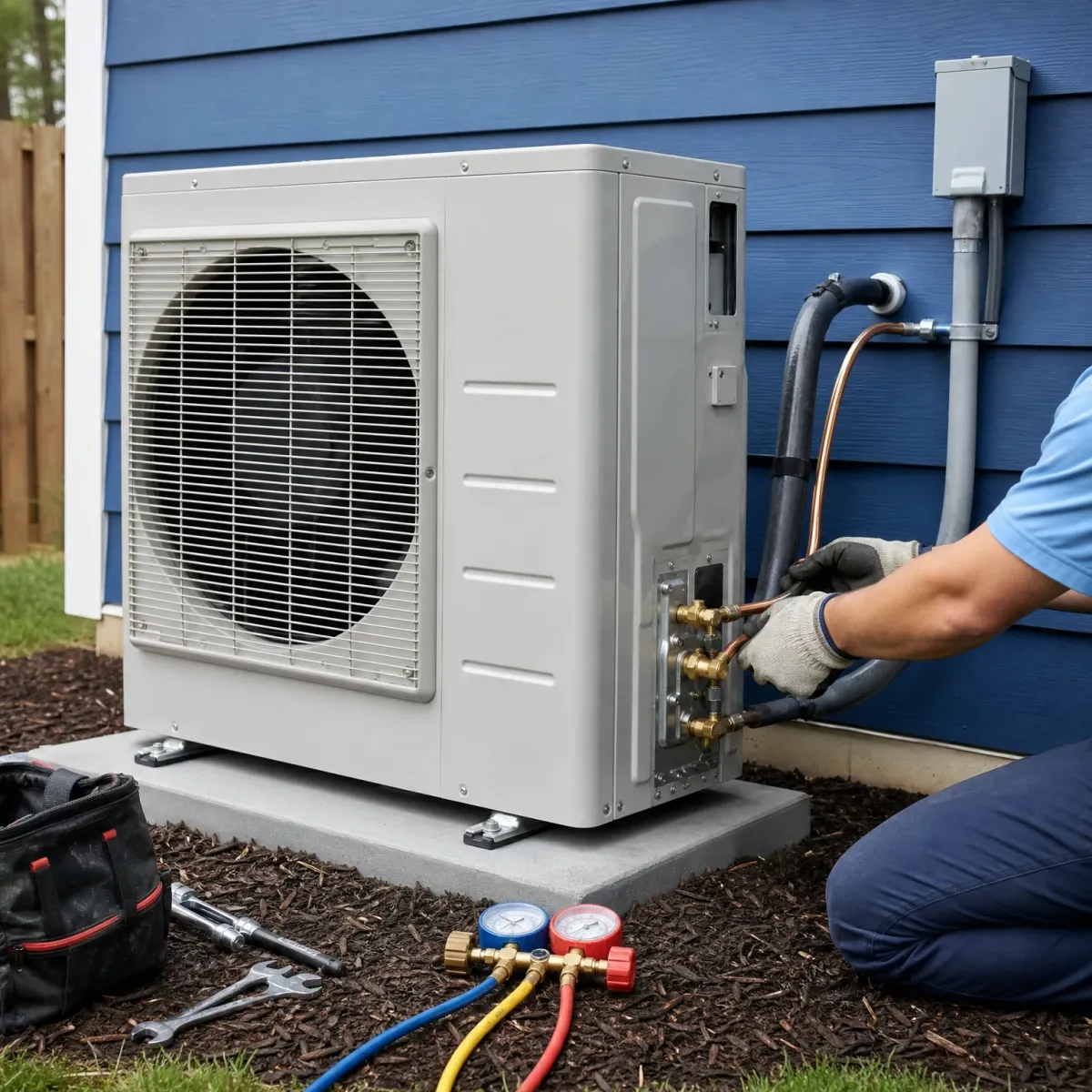
There is a way around the weak spot. A heat pump built to the ENERGY STAR Cold Climate spec has to prove, under third-party testing, that it still makes at least 1.75 units of heat per unit of electricity at 5°F and holds onto at least 70 percent of its 47°F capacity at that temperature. That is a different machine from the federal-minimum unit priced in the running-cost numbers above. A two-winter field test of prototype cold-climate heat pumps in occupied homes found backup heat supplied only a small share of the heat between 0°F and 35°F, and running on backup heat alone was rare even above 0°F.