Gas is the default here
Utility gas heats 60.6% of homes in Hancock County, more than any other fuel. Add in bottled and LP gas at 7.4% and most of your neighbors are heating with some form of gas, not electricity.
Takes about a minute. No obligation.
Utility gas heats 60.6% of homes in Hancock County, more than any other fuel. Add in bottled and LP gas at 7.4% and most of your neighbors are heating with some form of gas, not electricity.
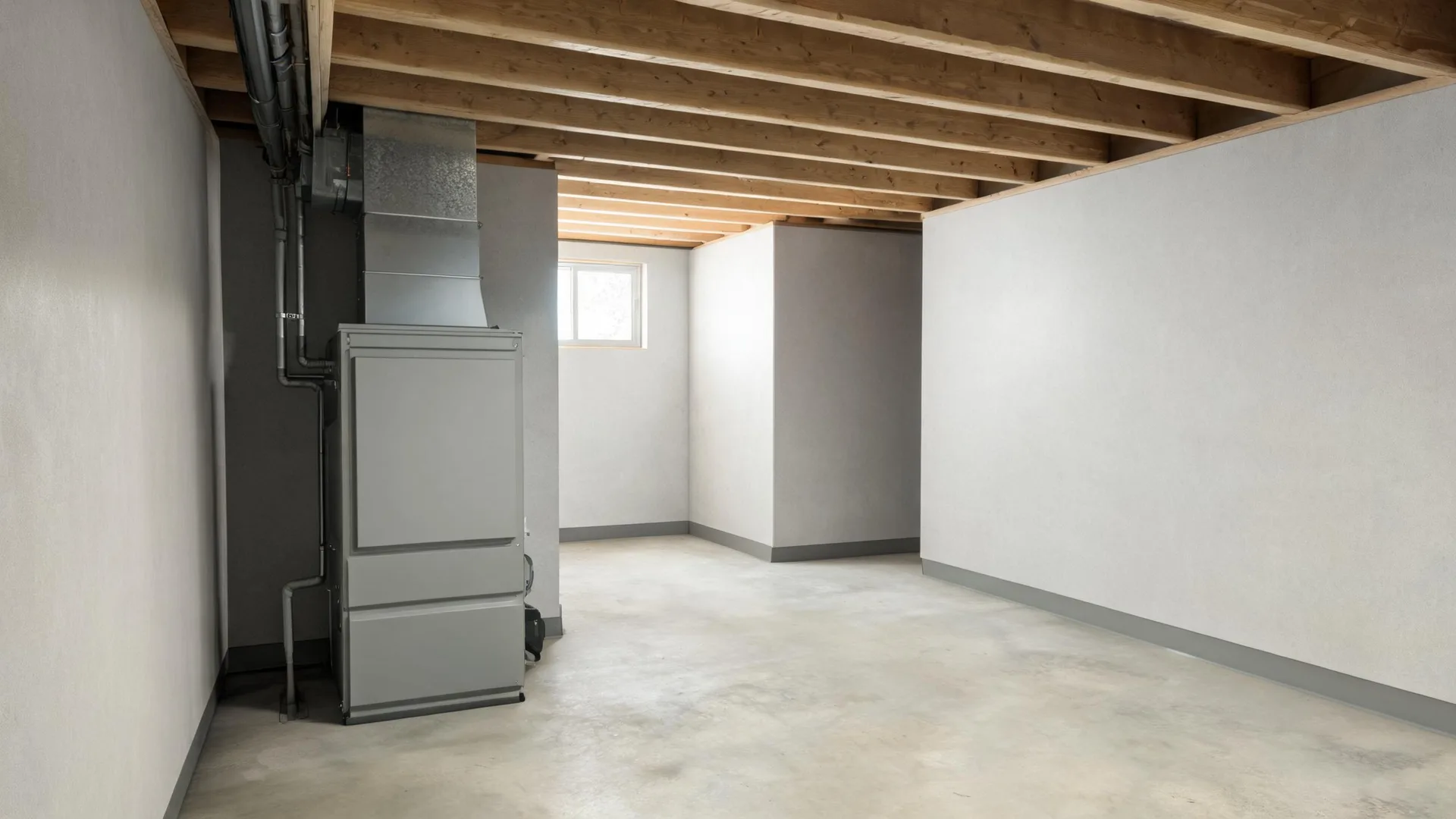
If a gas line already feeds your furnace, installing another gas furnace means the vent and gas line are already in place. Switching to a different fuel type means planning for new venting or electrical work instead.
NOAA nClimDiv, 1991–2020 normals
Furnaces in Hancock County start running in October.
Get yours installed in September, before the first cold night puts you in line behind everyone else.



With gas priced the way it is here, chasing the highest efficiency rating on the sticker won't save you much. Ask instead about sizing. A furnace too big for your house will short cycle and wear out its parts faster, and one too small will run constantly and still leave rooms cold. Ask what the warranty covers and for how long, and whether the contractor stands behind the install itself, not just the equipment. Matching the furnace to your ductwork and venting matters more here than squeezing out another point of efficiency.
Eight months of heat a year and overnight lows averaging 23°F in winter call for a furnace that runs right, not one oversized or overpriced for what this county needs. A standard size and efficiency rating will do the job here. Spend the conversation on sizing and the install itself.
Find a contractor
Sizing a furnace comes down to a heat loss calculation, not the size of the one being replaced. A contractor measures every wall, window and ceiling, checks the insulation, and figures out how fast the house loses heat on a cold night. That number tells them what the furnace needs to replace, nothing more. Too big and the furnace satisfies the thermostat fast, shuts off, and kicks back on a few minutes later. That cycling is hard on the heat exchanger and the blower motor, and it leaves the air feeling uneven because the system never runs long enough to circulate it properly. Too small and the furnace runs nearly nonstop trying to keep up, and still loses ground on the coldest days. Either way the furnace wears out faster than one that's sized to actually match the house.
Once the new furnace is set and running, the installer disconnects the gas line and ductwork from the old one and removes it from the house. There's no reason to keep it around, even as a backup. A furnace that's been pulled out can't be reinstalled later, and most of what's inside it, the steel cabinet and heat exchanger, gets scrapped for metal.
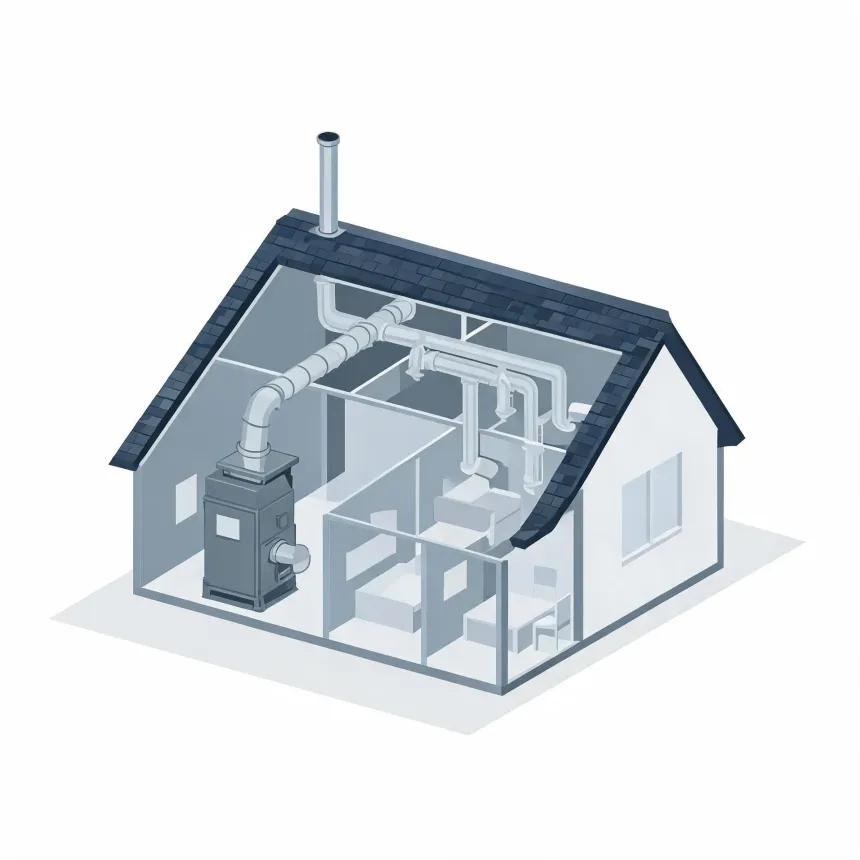
A new furnace doesn't always vent the same way the old one did, so the installer checks whether the existing flue is still the right size and material for what's going in. The gas line gets checked too, for the right pipe size and a tight connection at the new unit. Reusing what's there is common, but it has to be confirmed to work with the new equipment, not just assumed.
Estimates for a typical Hancock County home, from EIA household energy data, Indiana fuel prices and NOAA climate normals. Your home will differ.
Installation day starts with the old furnace still running, so there's heat in the house while the crew sets up. Expect the gas shut off and the power to the furnace cut before anything gets disconnected. The old unit comes out, the new one gets set in place, and the ductwork, gas line and flue get connected to it one at a time, each one tested as it goes rather than all at once at the end. The gas connection gets checked for leaks with a proper tool, not by smell. Once it's hooked up, the installer runs the furnace through a full cycle, checking that it fires cleanly, that the blower kicks on when it should, and that the flue is drafting the way it needs to. Expect them to walk you through the thermostat and answer questions before they leave, not just hand you a manual.