

Cold is the real question here
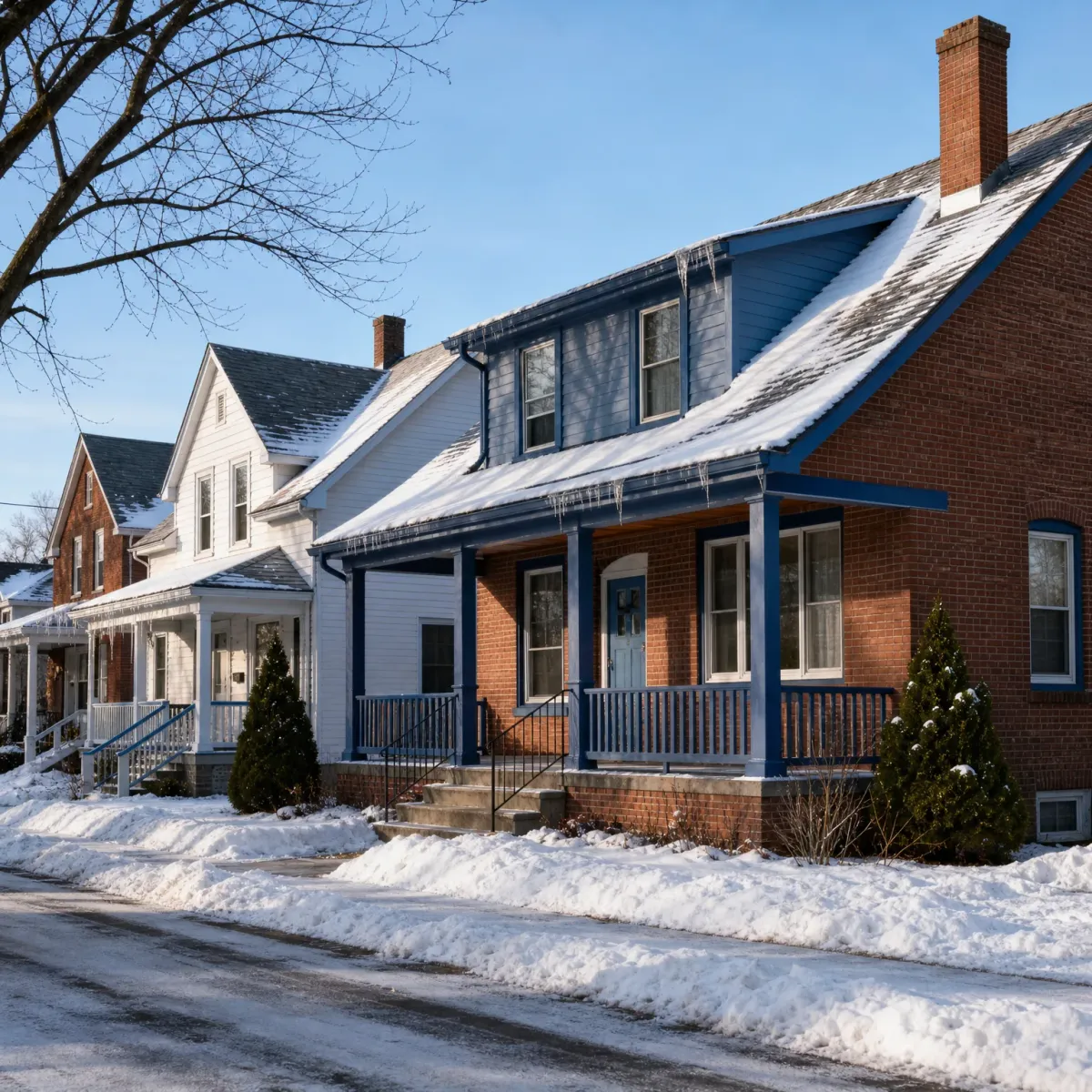
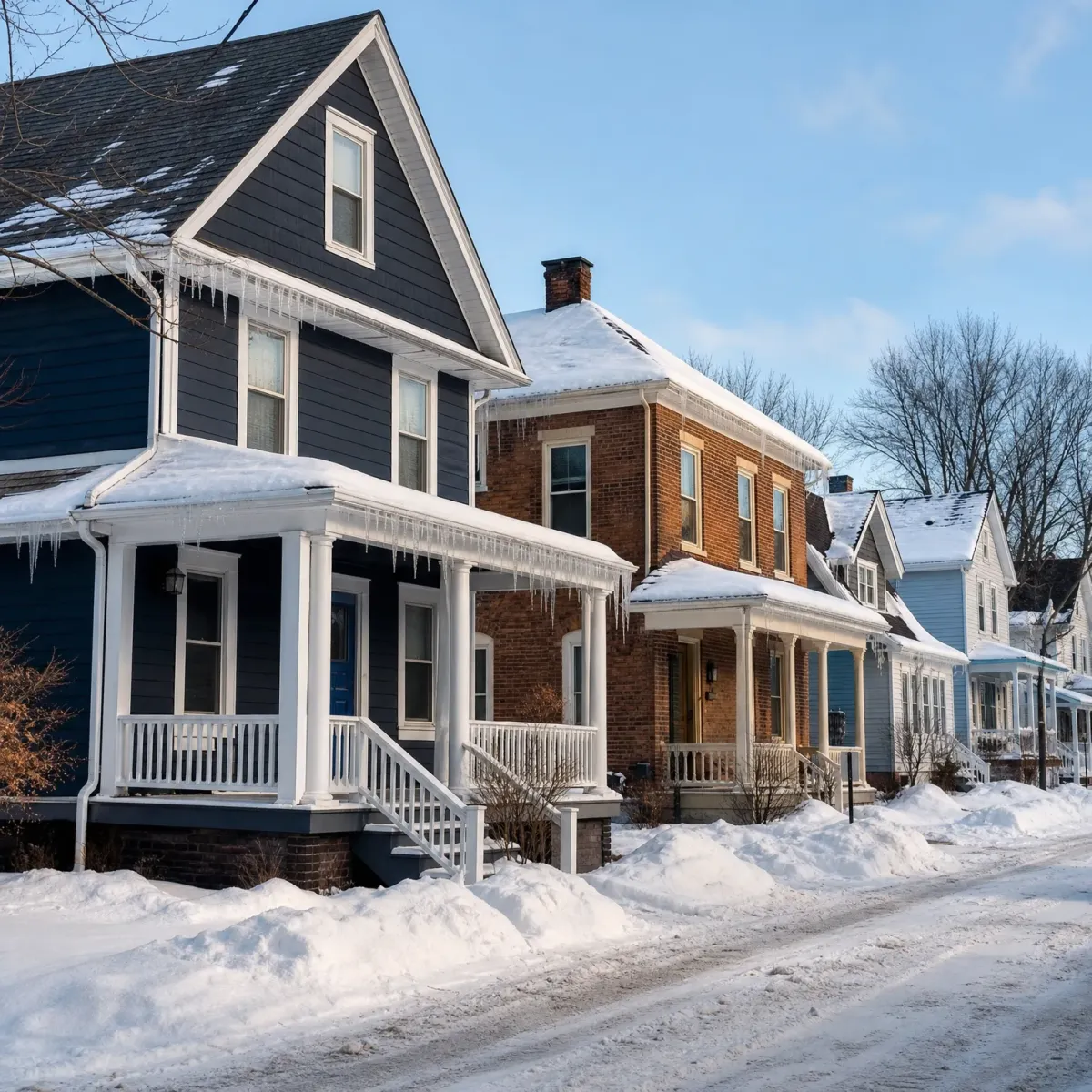
Winter here is long and it gets genuinely cold. Heat runs eight months a year, October through May, and the overnight low averages 20°F across December, January and February. About 125 nights a year drop to freezing or below, roughly half the nights in that eight month stretch. That is the condition to plan around, not the exception.
A standard heat pump starts falling short of its rated output once it is below 40°F outside, and it often needs backup heat once it is below about 35°F. Twenty degrees is below both marks. Every single one of those 125 freezing nights is below both marks too. That is not a cold snap a few times a winter. That is most of the season.
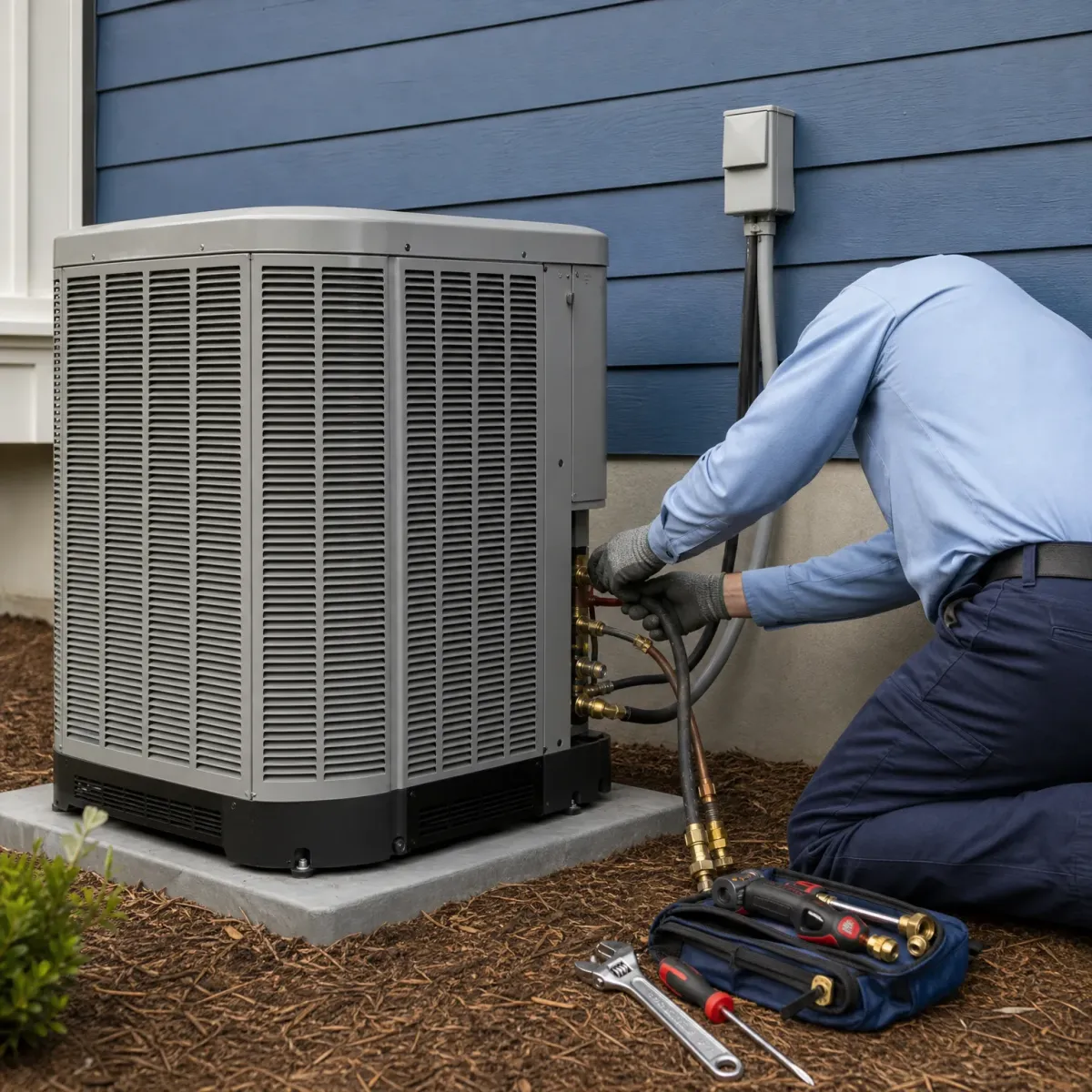
There is a real exception. A heat pump built to the ENERGY STAR Cold Climate spec has to prove, under third party testing, that it still makes at least 1.75 units of heat per unit of electricity at 5°F, and still holds at least 70 percent of its 47°F capacity at that temperature. A field test of prototype cold climate units over two winters backed this up: backup heat covered only a small share of the output between 0°F and 35°F, and the units rarely ran on backup alone even above 0°F. A furnace built to the federal minimum and a heat pump built to the federal minimum are not an even match here. A cold climate heat pump and a furnace are a much closer call.
Only about 7 nights a year reach 0°F or below. That is the extreme end, not the normal case. The normal case, the one to size a system around, is the 20°F average and the 125 nights at or under freezing.