


Winters here are cold enough that backup heat matters
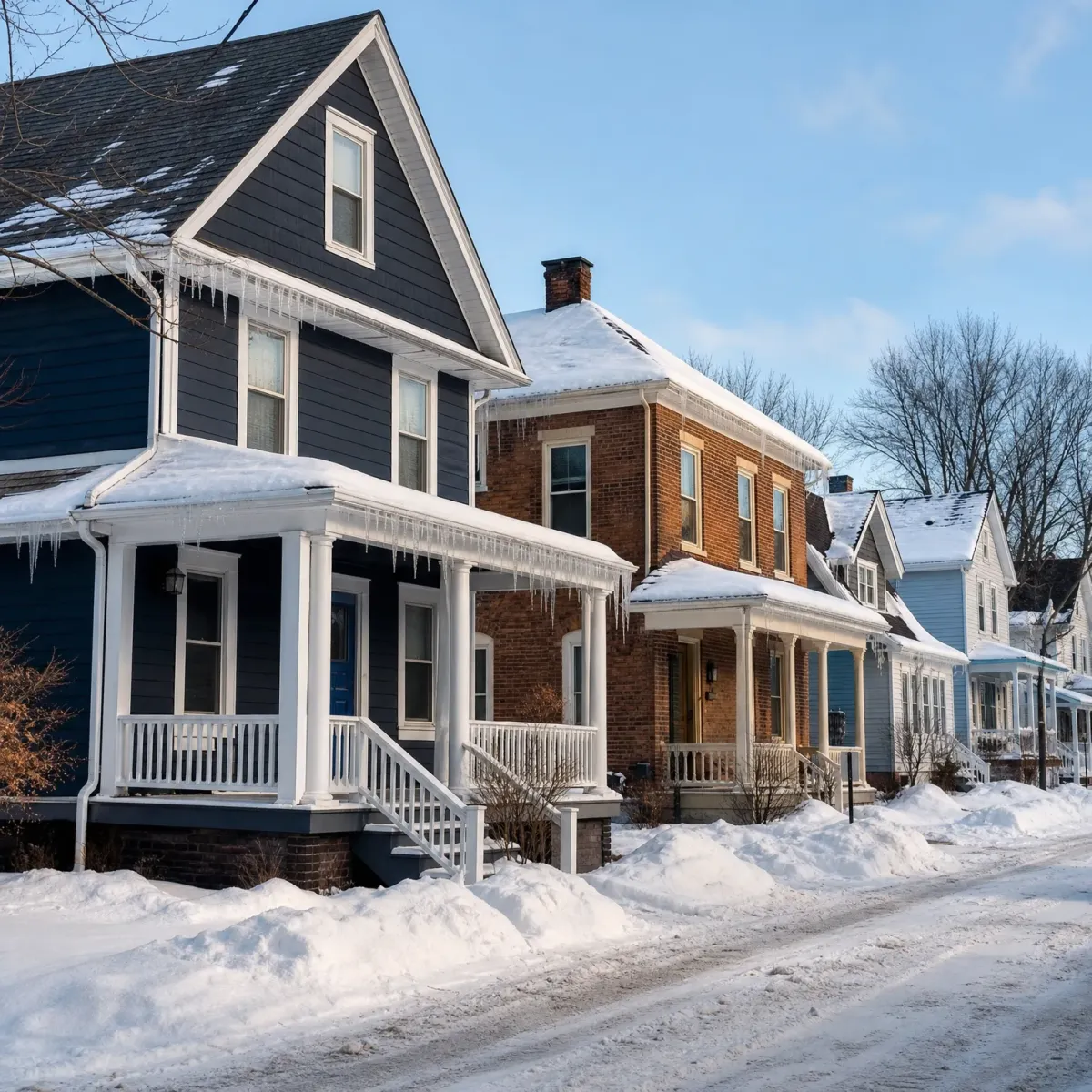
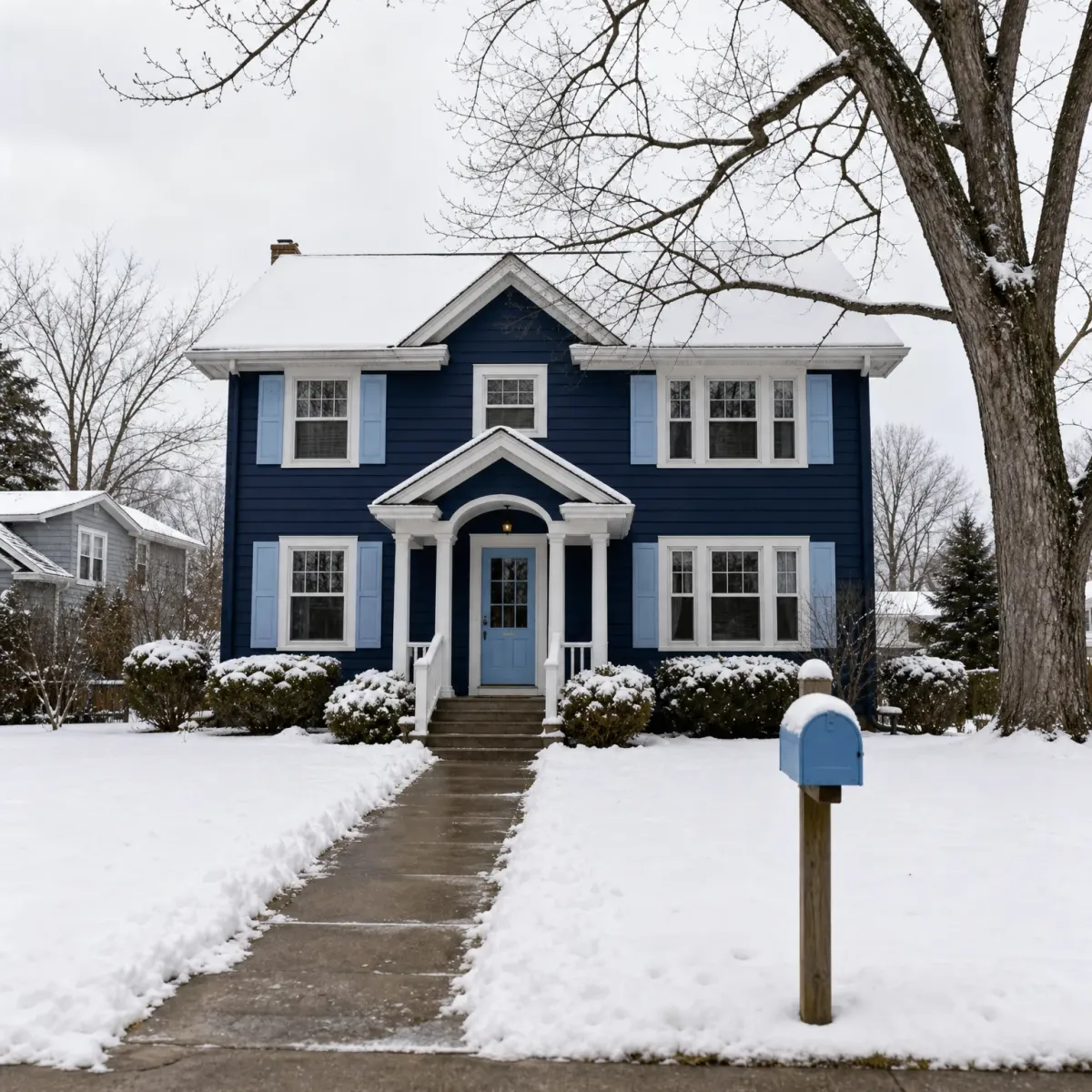
Heat runs seven months a year in Dubois County, October through April. That is the longer of your two seasons here, so whichever machine you pick is going to spend most of its working life heating this house, not cooling it.
The overnight low averages 25°F in December, January and February. That is below both marks that matter for a heat pump. Below 40°F a standard heat pump puts out less than its rated capacity. Below about 35°F it often needs backup heat to make up the difference. An average winter night here is past both lines, not close to them.
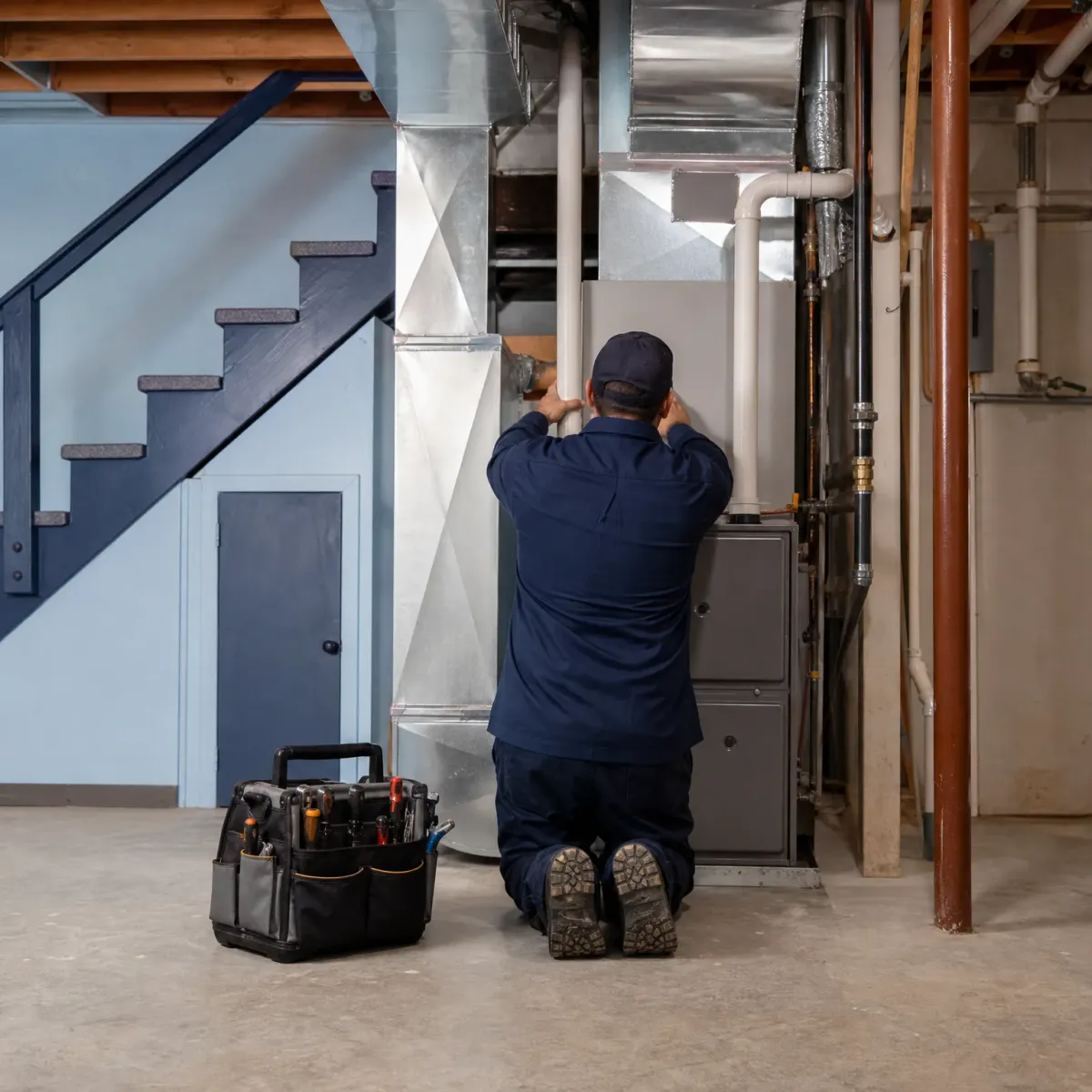
This is not a rare cold snap. The low falls to freezing or below on about 100 nights a year, roughly half the nights the heat is running at all, and every one of those nights is below both the 40°F and 35°F marks. A heat pump sized for this county is leaning on backup heat for a real part of the winter, not just a few nights in January.
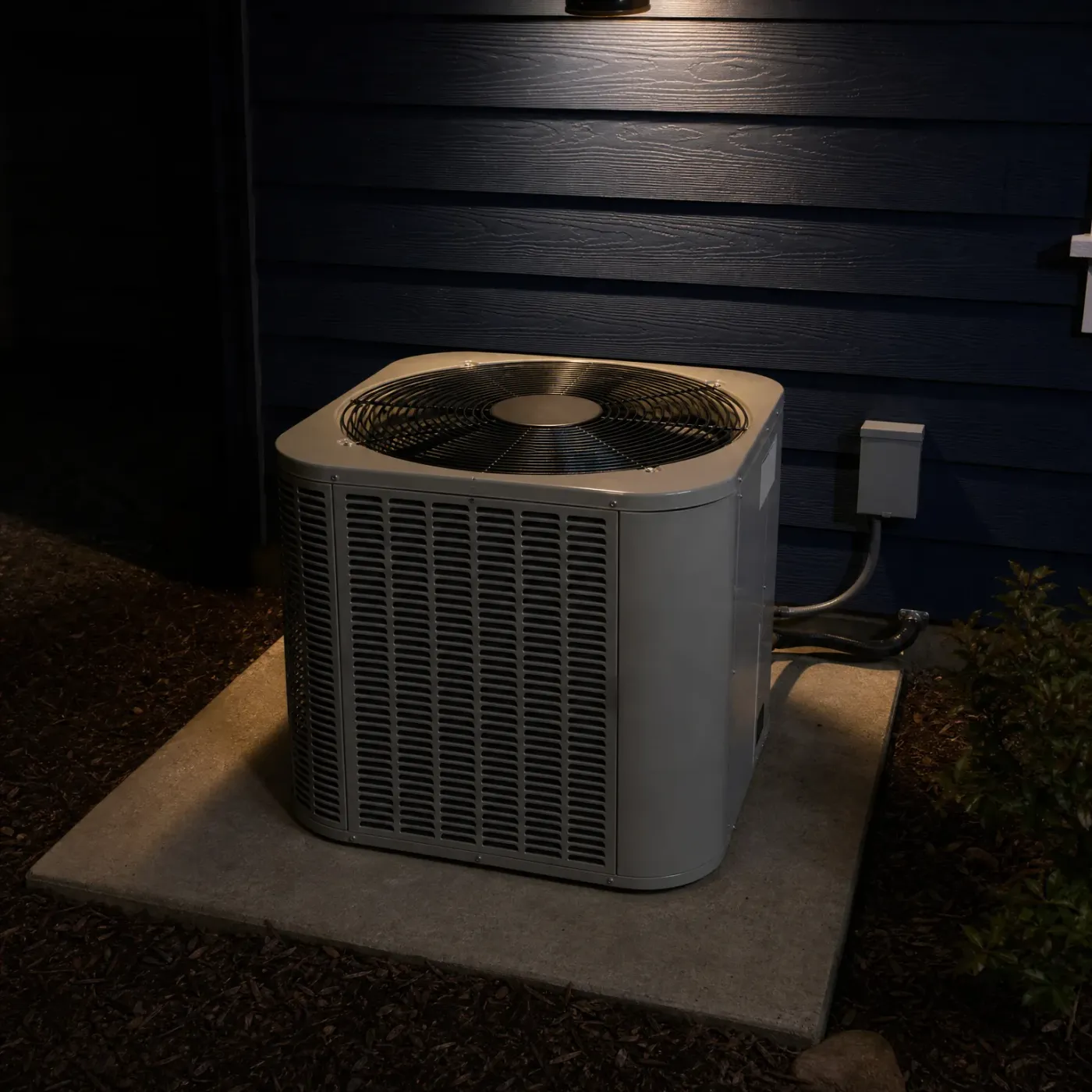
The deep cold is rarer. Only about 3 nights a year reach 0°F or below. A cold-climate heat pump, the kind certified to hold at least 70 percent of its capacity and 1.75 units of heat per unit of electricity at 5°F, is built for nights like that. Field tests of these units found backup heat covering only a small share of the output between 0°F and 35°F, and the unit running on backup alone was rare even above 0°F. So the standard heat pump's weak spot, that long stretch from freezing down to the teens, is exactly where the cold-climate version is designed to keep working on its own.