Gas is the default here
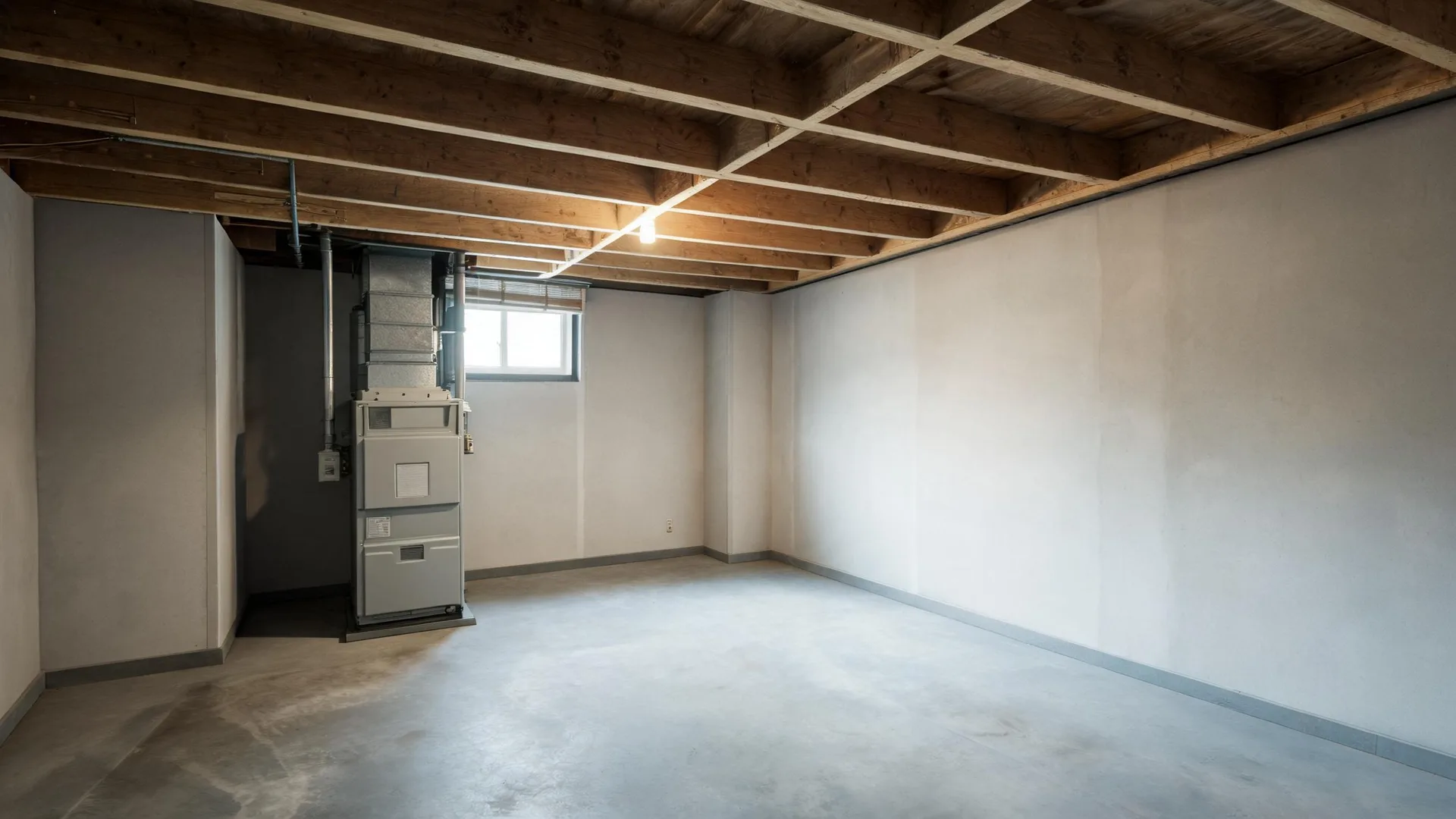
Utility gas heats 66.4% of homes in Madison County. If your current furnace runs on gas, a gas replacement is the straightforward option, and installers here work on these every day.
Takes about a minute. No obligation.
Utility gas heats 66.4% of homes in Madison County. If your current furnace runs on gas, a gas replacement is the straightforward option, and installers here work on these every day.
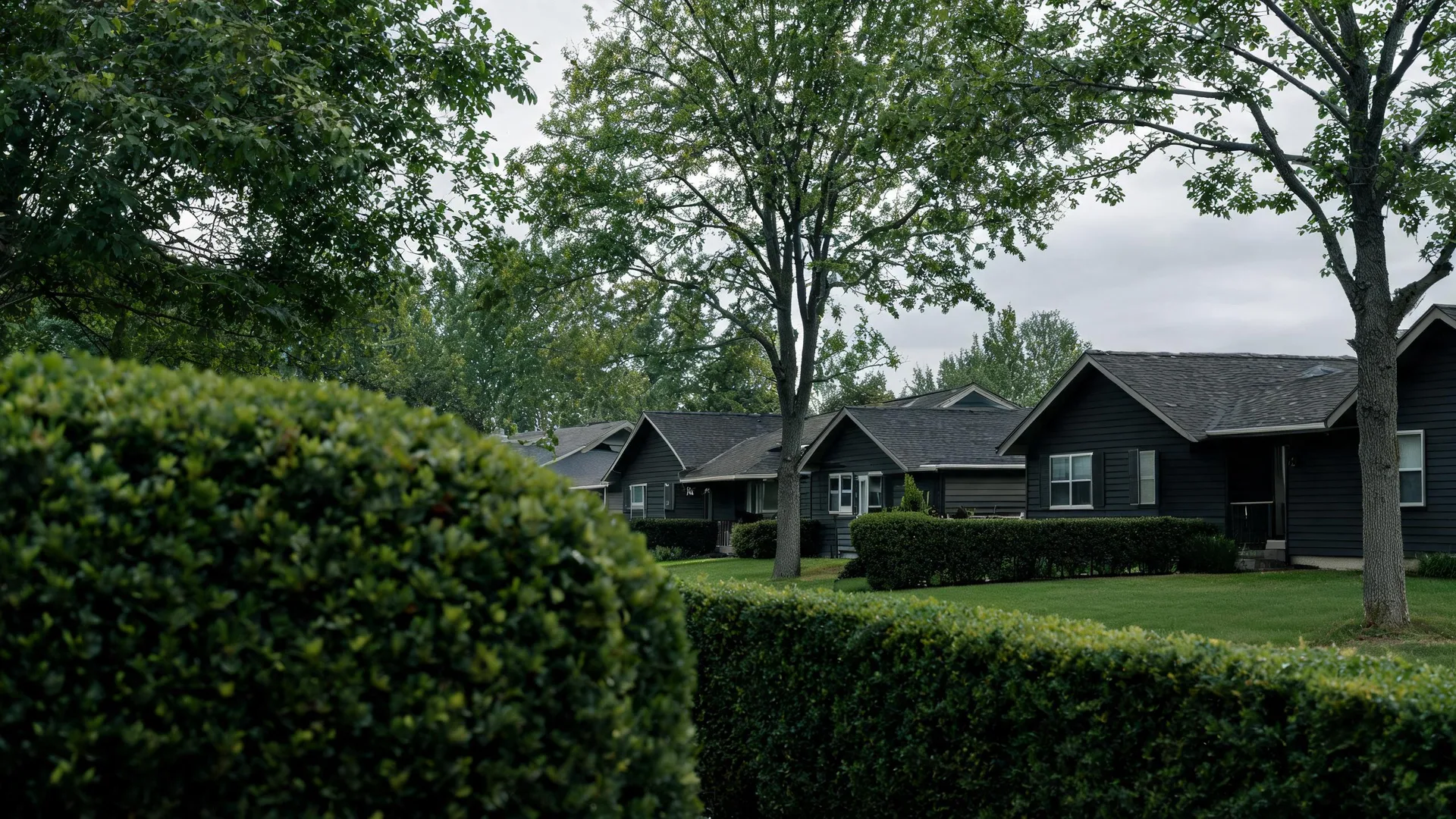
Replacing a gas furnace with another gas furnace uses the gas line and vent already in place. Switching to electric heat means new wiring and changes to the ductwork, a different job entirely.
NOAA nClimDiv, 1991–2020 normals
Winter here runs cold enough to put a furnace to work, with overnight lows averaging 22°F in December, January and February.
A correctly sized furnace handles that fine without upsizing for the cold.

Furnaces here run October through May, about eight months of the year. September is the one stretch where yours sits idle, and that makes it the month to get the work done. Wait until the first cold snap and you're choosing a furnace in a hurry, maybe going without heat while the work gets done. Handle it in September and there's time to size it right and get it running before you need it.
Madison County falls in climate zone 5A, and any new furnace installed here has to clear 80.0 percent AFUE at minimum. If you're after something more efficient than that, plenty of furnaces clear it by a wide margin, and a federal tax credit is available for qualifying high-efficiency models. Worth asking your installer which units qualify before you decide.
Find a contractorHalf the homes in Madison County were built in 1965 or earlier. A furnace going into a house that old is going into ductwork and venting laid out for whatever system ran there before, not necessarily for the one going in now. That doesn't rule anything out. It just means the installer should check your ducts and venting against the new furnace's output rather than assume the old layout already fits. A furnace sized right on paper can still run wrong if the house around it wasn't built for it.
An installer figures the right furnace size by calculating how fast your house loses heat, room by room, based on wall and window area, insulation and how the spaces connect. That number, not the size of the old furnace, is what the replacement should match. Houses that look alike from the street can still need different sized furnaces.
An oversized furnace heats the house fast, shuts off, then starts again soon after. That cycling wears out the igniter and blower motor faster and leaves rooms far from the furnace colder than the ones nearby. A furnace sized to the house runs longer, steadier cycles and heats the place evenly.
Estimates for a typical Madison County home, from EIA household energy data, Indiana fuel prices and NOAA climate normals. Your home will differ.
Install day starts with the old furnace coming out, along with whatever venting doesn't carry over to the new one. If the switch involves a change in venting material, that gets run before the new furnace goes in, not after. The installer sets the new unit, connects the gas line, duct trunk and vent, then wires it to the thermostat. Once it's in, they fire it up and check the flame, the static pressure in the ducts, and the temperature rise across the heat exchanger against what the manufacturer specs. A furnace running outside its rated temperature rise will short cycle or wear out early no matter how well it was sized on paper. Expect some noise and a faint dusty smell from the house as things heat up for the first time.