





A illuminated two-story red brick house on a quiet residential street at dusk, flanked by mature trees under a deep blue evening sky.

Furnace Installation in Columbia City, IN

Tell us about the job

Takes about a minute. No obligation.

New system or replacementFurnace or heatingWhitley County, IN
Step 1 of 2

What ZIP code is the job in?

Gas heats 49.7% of homes in Whitley County, more than any other fuel. Electricity covers 24.7%, and propane makes up most of what's left. If your house already has a gas line run to it, a gas furnace is the straightforward replacement. The new unit uses the same fuel and in most cases the same vent path, and a contractor sizing it already knows what gas furnaces in this area need to handle. Switching fuel types means new lines or new electrical to plan for, so most homeowners here stick with what the house already has.

8 months
October through May, your furnace is on duty
20°F
the average winter night it heats against
80% AFUE
the federal minimum any new unit must meet
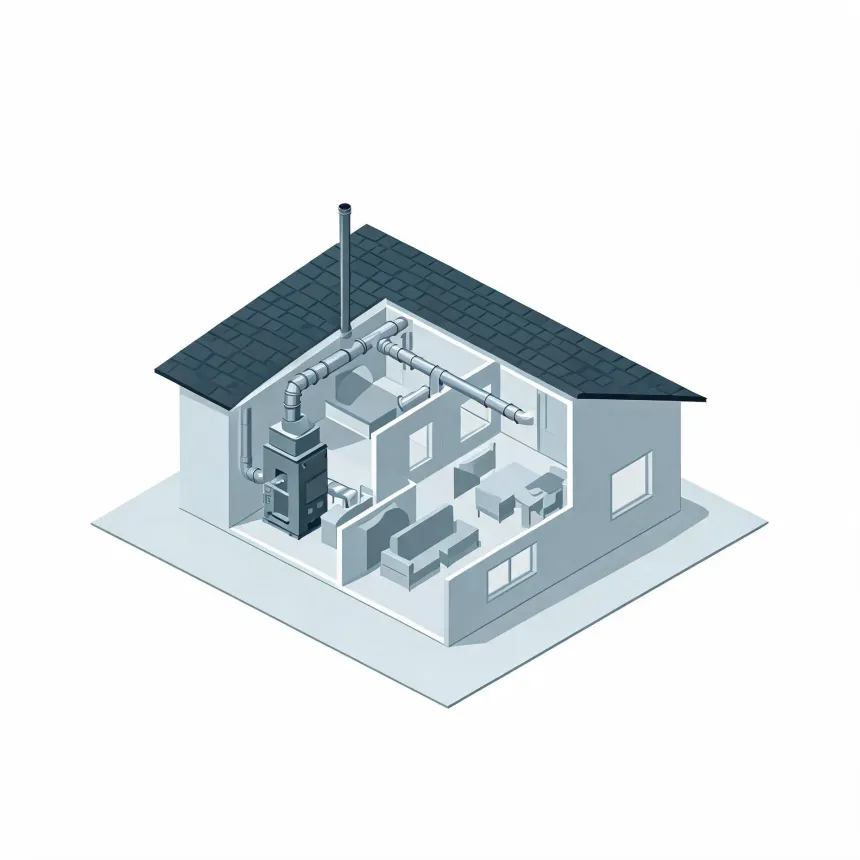
Isometric cutaway illustration of a single-story house with a dark shingled roof, showing a furnace with a flue pipe and branching ductwork running through interior rooms furnished with a sofa, table and chairs.
Your furnace works hardest from November through March.

NOAA nClimDiv, 1991–2020 normals

Furnaces in Columbia City start running in October.

Have a new one in by September and you pick the day, not the cold.

Eight months of heat a year, nights near 20°F. Your furnace earns its keep here

Heat runs October through May
Winter nights average 20°F
Climate zone 5A

Whitley County sits in climate zone 5A, a cool zone where heating carries more of the year's work than cooling does. Any furnace installed here has to clear a federal efficiency floor to be sold at all. Right now that floor is 80 percent AFUE, meaning at least 80 cents of every fuel dollar becomes heat in the house. That minimum rises for furnaces built from December 18, 2028 onward, and the newer standard will push the market toward condensing furnaces with a second heat exchanger to hit it. A furnace installed this year only has to meet the current mark, so what goes into your house now may not match what gets installed a few years from now.

Cheap gas means fit and installation matter more than the efficiency number

Gas here runs $8.99 per million Btu, cheaper than most places. That changes the math on which furnace to buy. A high-efficiency model still costs less to run month to month, but it takes longer to earn back the difference in price. Put the money toward a furnace sized right for your house, installed by someone who does it well.

Find a contractor
A man in a cap, dark jacket and tan pants walks up porch steps toward a navy blue front door, carrying a canvas tool bag filled with hand tools, with a potted plant in a blue planter to the right.
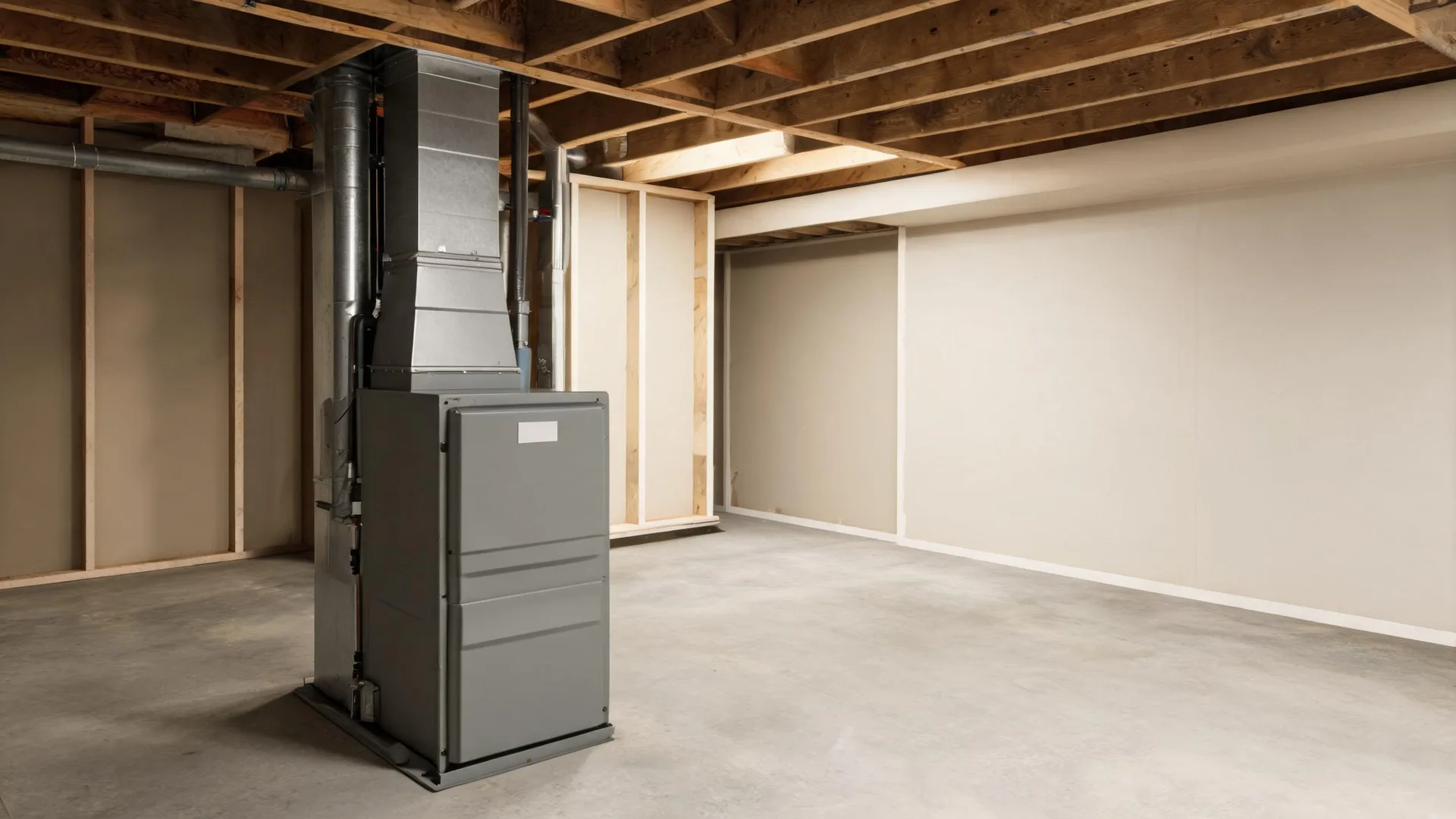
A gray gas furnace with attached ductwork and piping installed in an unfinished concrete basement.

Eight months a year, this is the job

Eight months of heat, nights averaging 20°F. That's the load this furnace sits under every winter, and it's why sizing matters more than the brochure number. A unit too big for your house will short cycle, kicking on and off instead of running a steady stretch, and that wears the parts faster than the cold does. A unit too small will run flat out all night and still lose ground. Get a contractor to run a load calculation on your house instead of matching the old furnace's rating, and weigh installation quality the same way you weigh the equipment itself.

Ask what the load calculation found

A contractor should size your furnace off a room by room load calculation, not off the rating of the unit you're replacing. Ask to see the numbers, not just the recommendation. If a quote shows up without one, get another quote.

Ask what happens to the vent

A furnace with a second heat exchanger can need a different vent than the one your house has now, sometimes running through a wall instead of up through the roof. Ask what pipe or vent work the install requires and where the new line will run, since that changes what the job involves beyond swapping the unit.

An unfinished basement featuring a grey forced-air furnace with metal ductwork, concrete block walls, exposed wooden joists, and a single hanging bare bulb.

A high-efficiency gas furnace would save about $100 a year to run in Whitley County compared with a gas furnace.

  • A high-efficiency gas furnace$470 a year
  • A gas furnace$570 a year

Estimates for a typical Whitley County home, from EIA household energy data, Indiana fuel prices and NOAA climate normals. Your home will differ.

Installation day starts with the old furnace coming out, not the new one going in. The line gets disconnected, the duct collar gets cut loose, and the unit gets hauled out before anything new comes through the door. Once the space is clear, a contractor checks the opening against the new unit's dimensions, because cabinet sizes vary and the new furnace rarely matches the old one exactly. The gas line, the vent, and the duct connections get fitted to the new cabinet, not the other way around. If the new furnace has a second heat exchanger, expect a new vent pipe to go in alongside or instead of the old one, since that exhaust is cooler and wetter and needs its own path out of the house. Once it's connected, the furnace gets fired up and run through its paces, checking the flame, the airflow at the registers, and the rise in temperature across the unit before anyone calls it done.