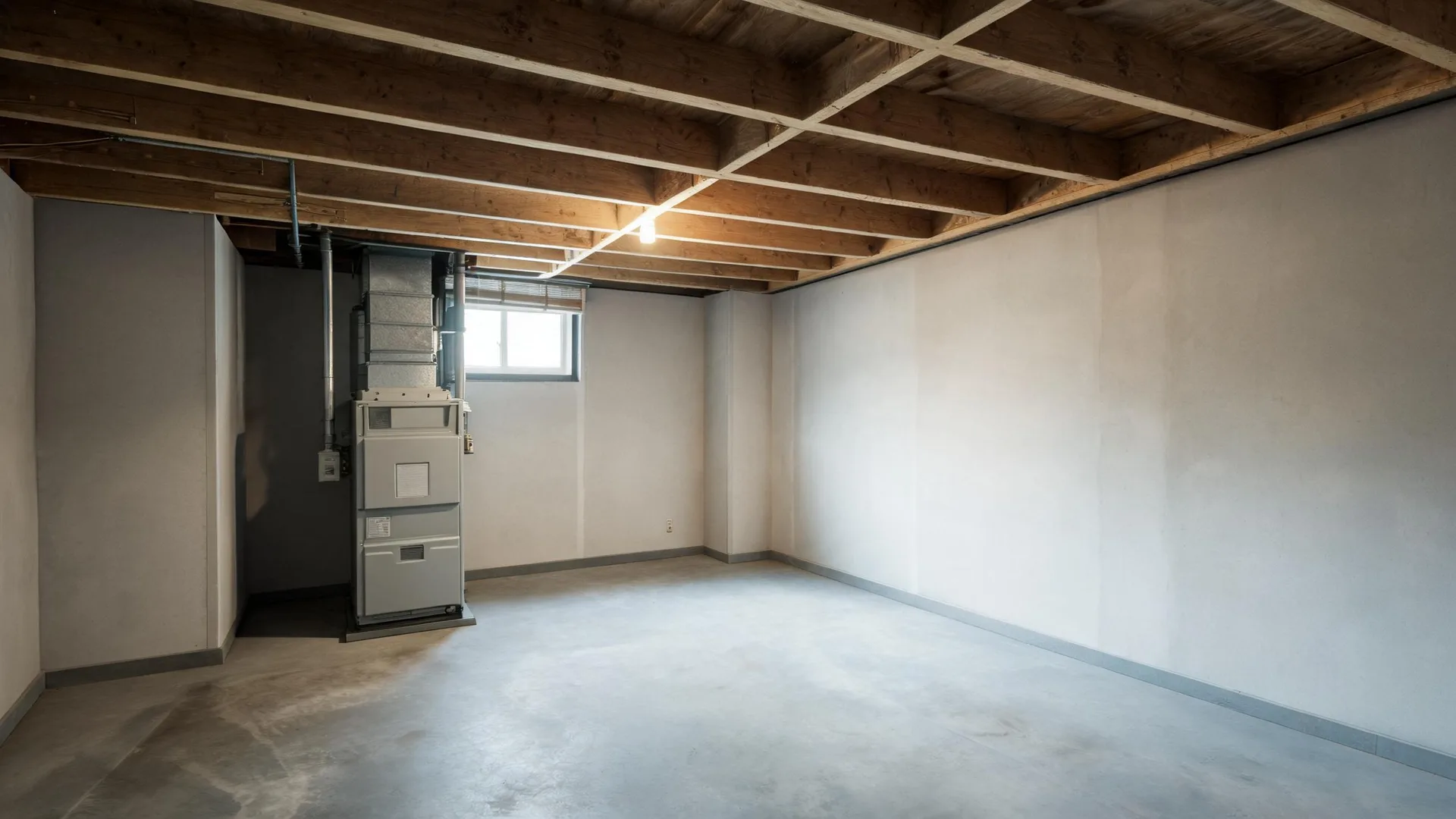
Gas is the common choice here
Utility gas heats 47.7% of occupied homes in Montgomery County, more than any other fuel. LP gas accounts for another 24.2%, so most furnace installs in this area are gas furnaces, not electric.
Takes about a minute. No obligation.
Utility gas heats 47.7% of occupied homes in Montgomery County, more than any other fuel. LP gas accounts for another 24.2%, so most furnace installs in this area are gas furnaces, not electric.
If your old furnace ran on gas, a new gas furnace will work with the gas line and venting already at your house. Switching to electric heat means the contractor has to account for wiring and ductwork that were never set up for it.
NOAA nClimDiv, 1991–2020 normals
Furnaces in Montgomery County start running in October.
Get a new one in before September ends and you pick the time, not the cold.




The furnace itself is rarely what drives the cost up. Most of the work is in fitting it to what's already there. If the new furnace matches the old one in size and fuel type, a contractor can often reuse the existing venting and ductwork, and the install goes quick. Change the size, the fuel type, or the venting the old one used, and there's more to account for. New vent pipe. Duct modifications. Sometimes electrical work to run the blower or igniter. The cabinet size matters too, since a furnace that doesn't fit the old space needs new ductwork transitions, and those take time to build and seal right. None of this is about the brand or the model. It's about how much of the old setup the new furnace can actually use.
Half the homes in Montgomery County were built in 1967 or earlier. A furnace going into a house that age is going into whatever ductwork and venting came with it, not a blank slate. The install has to work with what's actually there.
Find a contractorAsk the contractor to measure your actual ductwork and venting before they quote a size. Don't go by what the old furnace was rated for, go by what the house can move air through now.
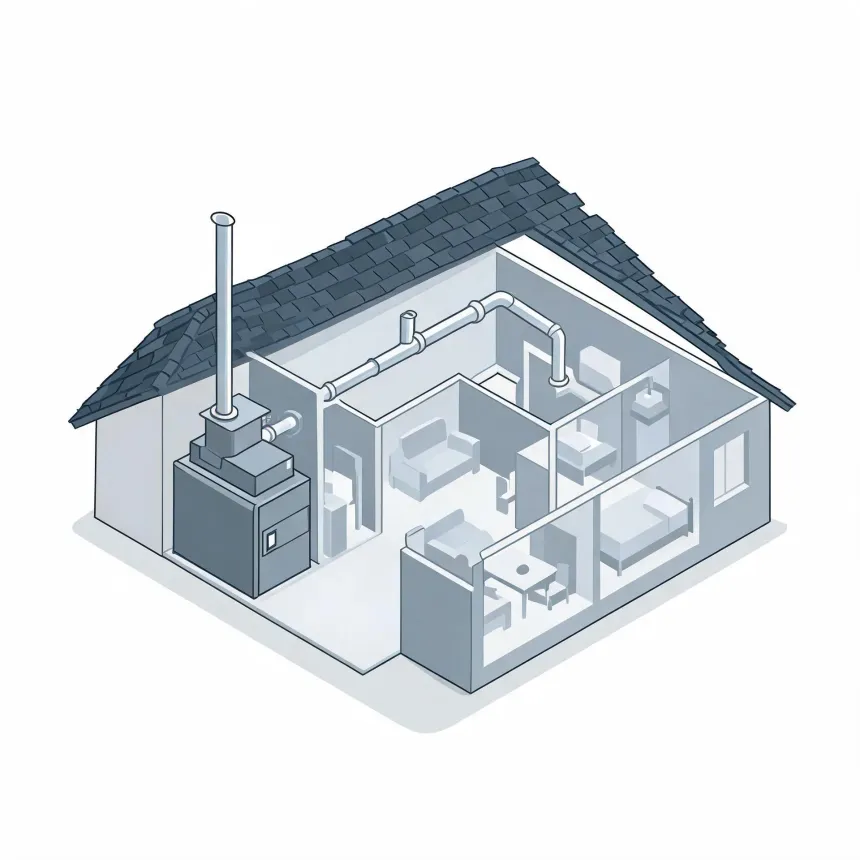
A contractor shuts off the gas line to the old furnace, disconnects the venting and ductwork, and removes the unit from the house. The old gas line gets capped unless the new furnace reuses it. The flue or vent pipe comes out too, if the new furnace doesn't vent the same way.
Where the old furnace sat, there's usually a base, some duct transitions, and wiring that ran to it. The contractor checks whether that spot still works for the new unit's size and clearances before setting the new furnace in place. A furnace that's a different size or shape than the old one won't always sit on the same footprint.
Estimates for a typical Montgomery County home, from EIA household energy data, Indiana fuel prices and NOAA climate normals. Your home will differ.
Once the old furnace is out, the contractor sets the new one, connects the gas line, and ties into the ductwork and venting. Each joint gets sealed and the gas connection gets tested for leaks before anything runs. The electrical hookup for the blower and igniter comes next, then the thermostat gets wired in or paired if it's new. The contractor runs the furnace through a full cycle, checking that it ignites properly, the blower moves air the way it should, and the flue is drafting correctly. Venting gets checked last, since a furnace can run fine and still vent wrong if the pipe isn't pitched or sealed right. Most of installation day is this kind of checking, not the setting of the unit itself.