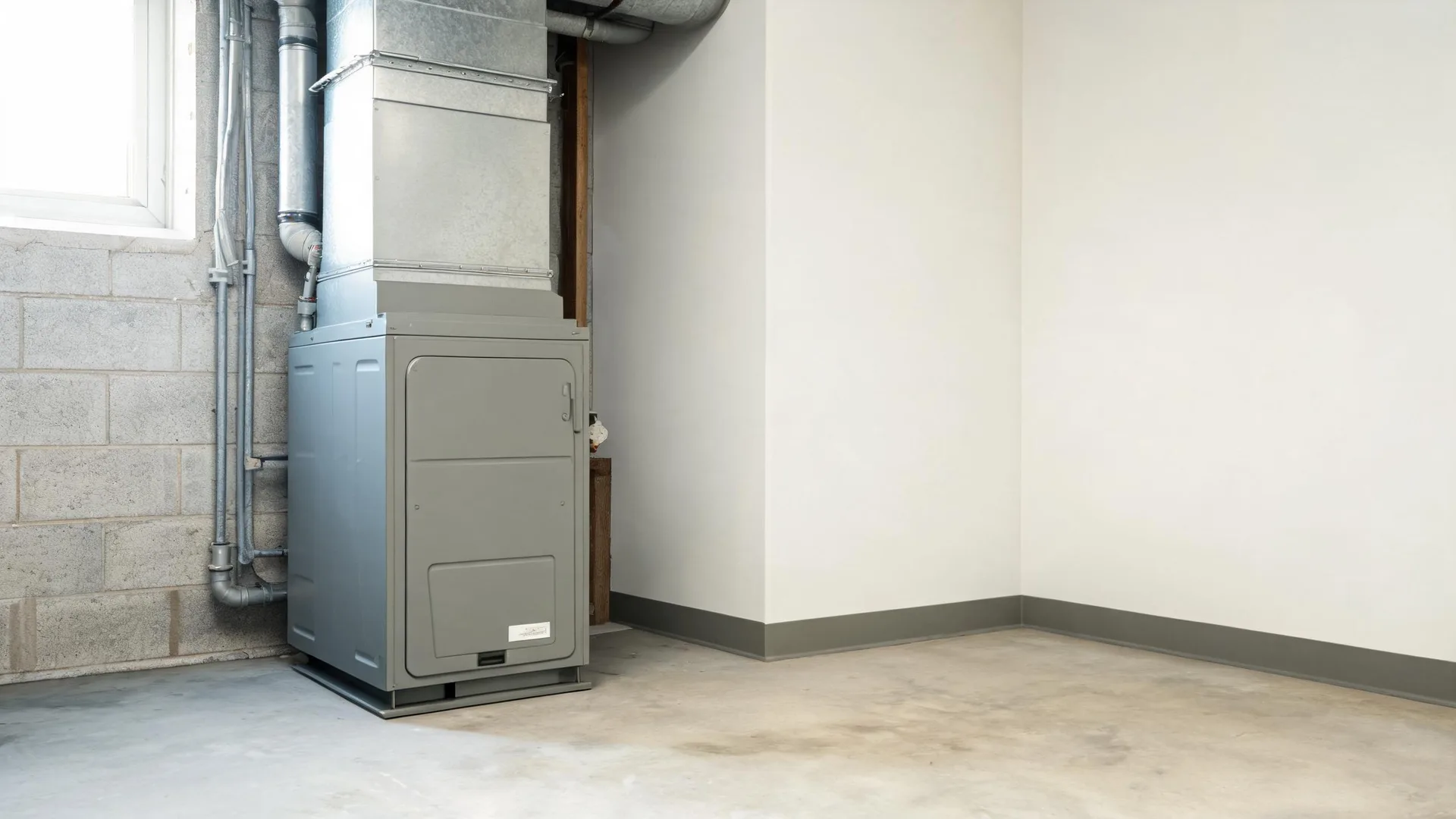
Gas is the common setup here
Utility gas heats 60% of homes in Vanderburgh County, more than any other fuel. Electric heat covers most of the rest, at 37.5%.
Takes about a minute. No obligation.
Utility gas heats 60% of homes in Vanderburgh County, more than any other fuel. Electric heat covers most of the rest, at 37.5%.
Where a gas line and venting already serve the house, a contractor is working with a setup they've sized and installed many times before. That makes the job more predictable to quote and to schedule.
NOAA nClimDiv, 1991–2020 normals
A furnace sized by square footage alone can end up wrong for the house it's going into.
Ask whether the contractor ran a load calculation, and ask to see the number it came out to.


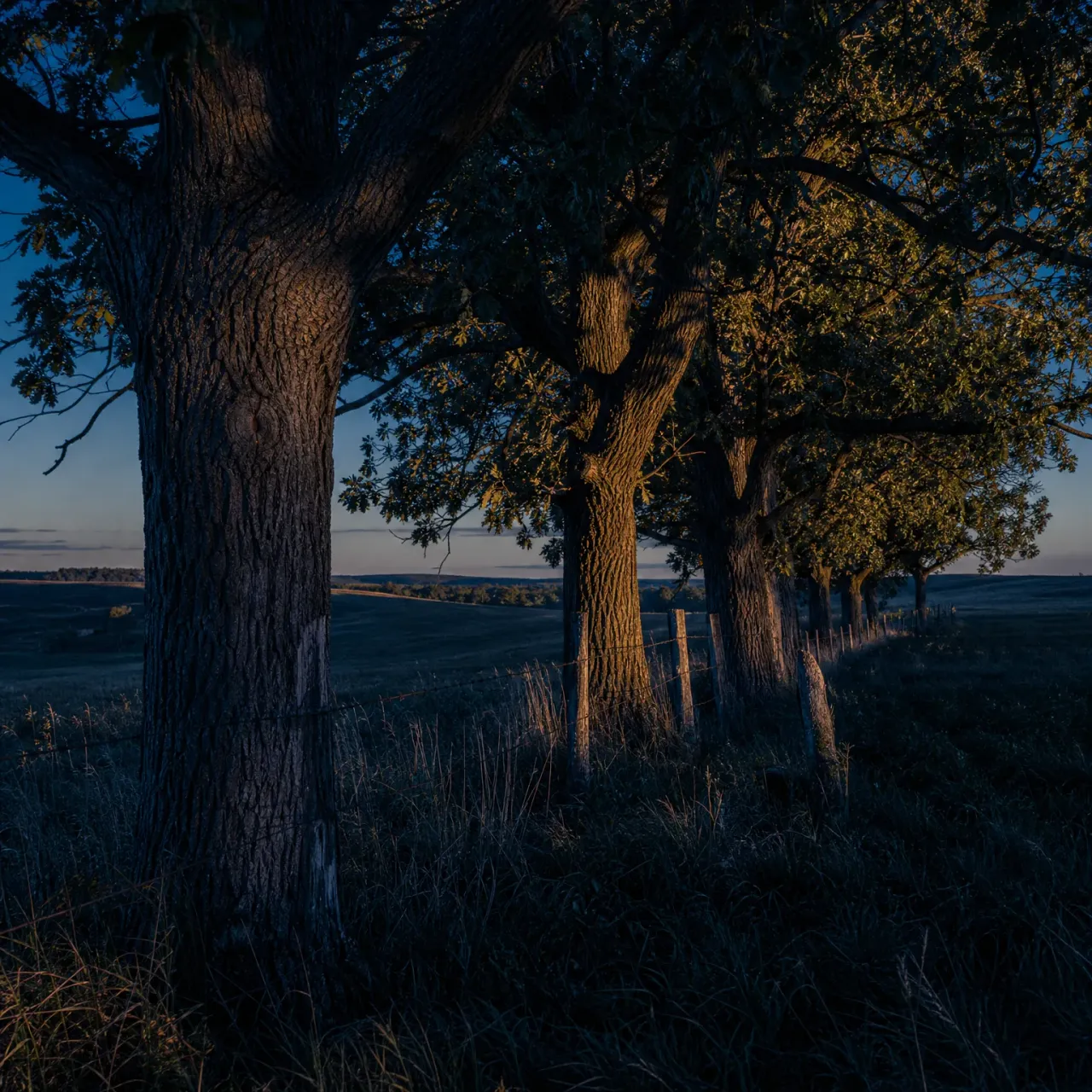

Half the homes in Vanderburgh County were built in 1970 or earlier. A furnace going into one of those houses is going into a structure that was built before a lot of today's codes existed. The ductwork, the venting, the return air, whatever is already there was sized for whatever ran before it, not necessarily for the furnace going in now. A new furnace that's rated correctly on paper can still run wrong if the duct system feeding it is too small or laid out oddly for the airflow it's built to move. None of that shows up by looking at the furnace itself. It shows up in how the house heats once it's running.
Heat goes on in October here and runs through April. September is the last clear month to get a new furnace in before you need it, which means you get to schedule the install, pick the contractor, and ask the load calculation question, instead of making those calls with no heat in the house.
Find a contractor
Ask the contractor to check the ductwork before they quote the furnace, not after it's installed. If the trunk line and returns were sized for a furnace installed decades ago, that's what they have to work with, and the only way to know is to look.
An oversized furnace heats the house fast, shuts off, then starts again a few minutes later. That short run time means the air never moves long enough to feel even from room to room, and the burner and blower wear out faster from cycling on and off all day.
A contractor works out the right size by looking at the walls, the windows, the insulation and the layout room by room, not just the square footage. Houses that look alike on paper can need different furnaces depending on how much of that heat actually stays inside.
Estimates for a typical Vanderburgh County home, from EIA household energy data, Indiana fuel prices and NOAA climate normals. Your home will differ.
Installation day starts with the old furnace coming out, and that alone can take a few hours if the venting or gas line has to be disconnected and capped safely. Once the new unit is set in place, the contractor connects the gas line, the venting, the return air and the ductwork, then wires it to the thermostat. Each connection gets checked before anything runs. Gas pressure gets tested and set to spec, since too high or too low affects how the burner fires. The contractor runs the system through a full cycle, checking the temperature rise against what the furnace is rated for, and listens for the blower reaching full speed without strain. Expect them to walk through the thermostat settings and the filter location before they leave, so you know what to check during the first cold snap.