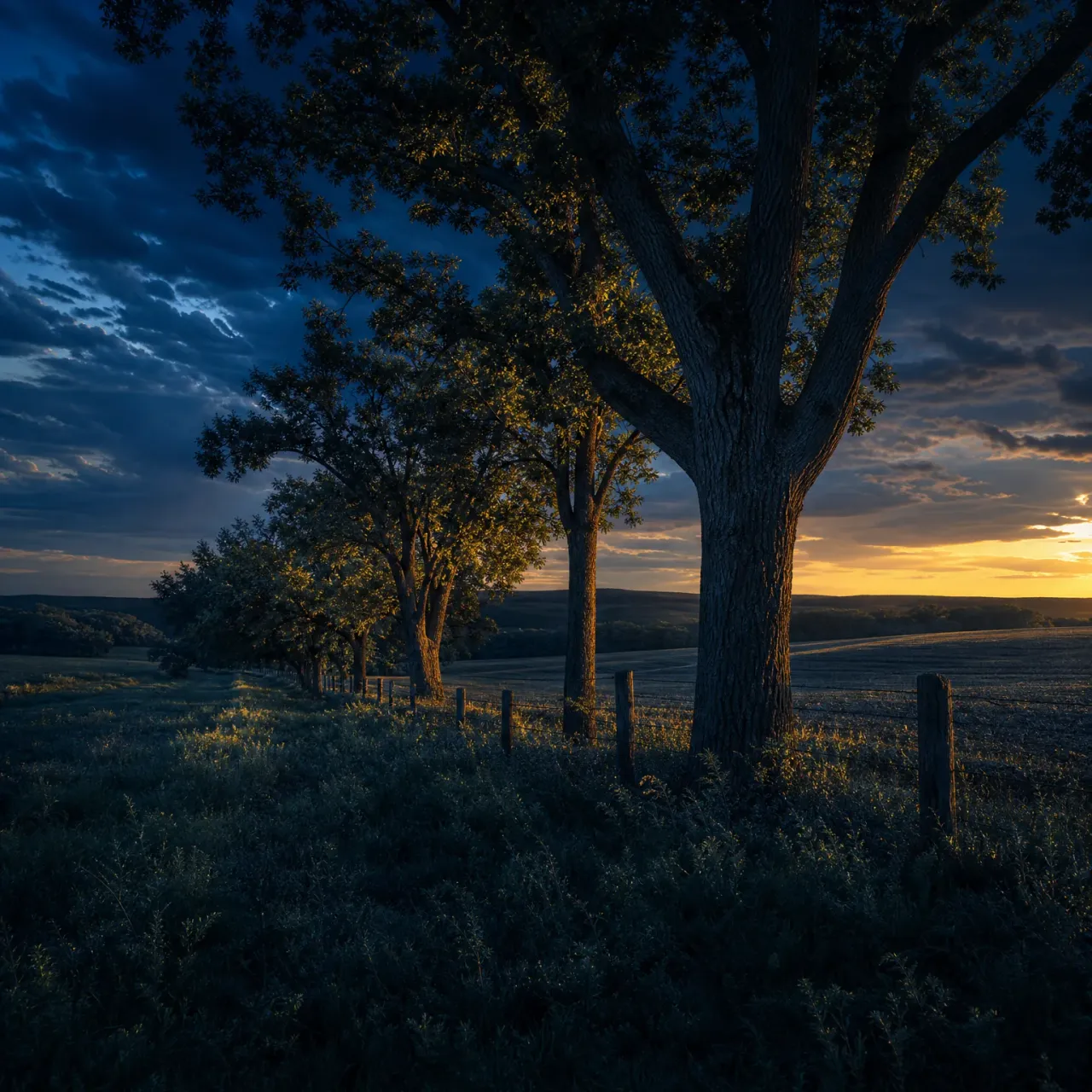
An unfinished basement featuring concrete block walls, exposed floor joists, a bare concrete floor, and a forced-air furnace with a large metal exhaust duct in the corner.

Furnace Installation in Fort Wayne, IN

Tell us about the job

Takes about a minute. No obligation.

New system or replacementFurnace or heatingAllen County, IN
Step 1 of 2

What ZIP code is the job in?

Allen County sees real weather

Allen County logged 241 severe weather events between 2015 and 2024. That includes 166 damaging wind events, 56 hail events, 5 tornadoes and 8 winter storms with heavy snow or ice. A new furnace here has to hold up under all of it, not just run on a mild day.


Power doesn't always stay on

Across Indiana, 17% of households went at least a full day without power in 2024. A furnace that depends on electricity to run, whether it's the blower, the igniter or the control board, goes down when the power does. That's worth thinking through before you pick a system.

8 months
October through May, your furnace is on duty
21°F
the average winter night it heats against
70%
of homes here heat with gas, so most furnaces here burn gas
80% AFUE
the federal minimum any new unit must meet
Isometric cutaway illustration of a single-story house with a dark shingled roof, showing interior rooms with beds and furniture, overhead ductwork, and a gray furnace with a tall flue pipe at the exterior wall.
Your furnace works hardest from November through March.

NOAA nClimDiv, 1991–2020 normals

Almost 7 in 10 homes in Allen County heat with gas.

A gas furnace is the system most installers here know best, parts and all.

Gas here runs $8.99 per million Btu, so the fancier furnace isn't the one that saves you

Climate zone 5A
Heat runs October through May
Winter nights average 21°F
Get it done before OctoberFurnaces here run eight months a year, October through May.

Allen County falls under zone 5A in the 2021 energy code, a cool zone where the furnace carries more of the load than the air conditioner does. Any furnace installed here has to clear a federal efficiency floor: at least 80 percent of the gas it burns has to turn into heat over the winter. That floor rises to 95 percent for furnaces built on or after December 18, 2028, so what counts as compliant will change before long. Until then, a unit built below that 95 percent mark can still be installed, as long as it meets the 80 percent standard in place now. Ask what year the furnace was manufactured, not just the model year it's sold under.

Settle the outage question before the install, not during one

Ask the installer where the outdoor unit will sit and what keeps it clear of wind and hail. Ask what the furnace needs from the power to run, and what happens in your house when the power is out. That's worth settling before the install, not after a storm.

Find a contractor
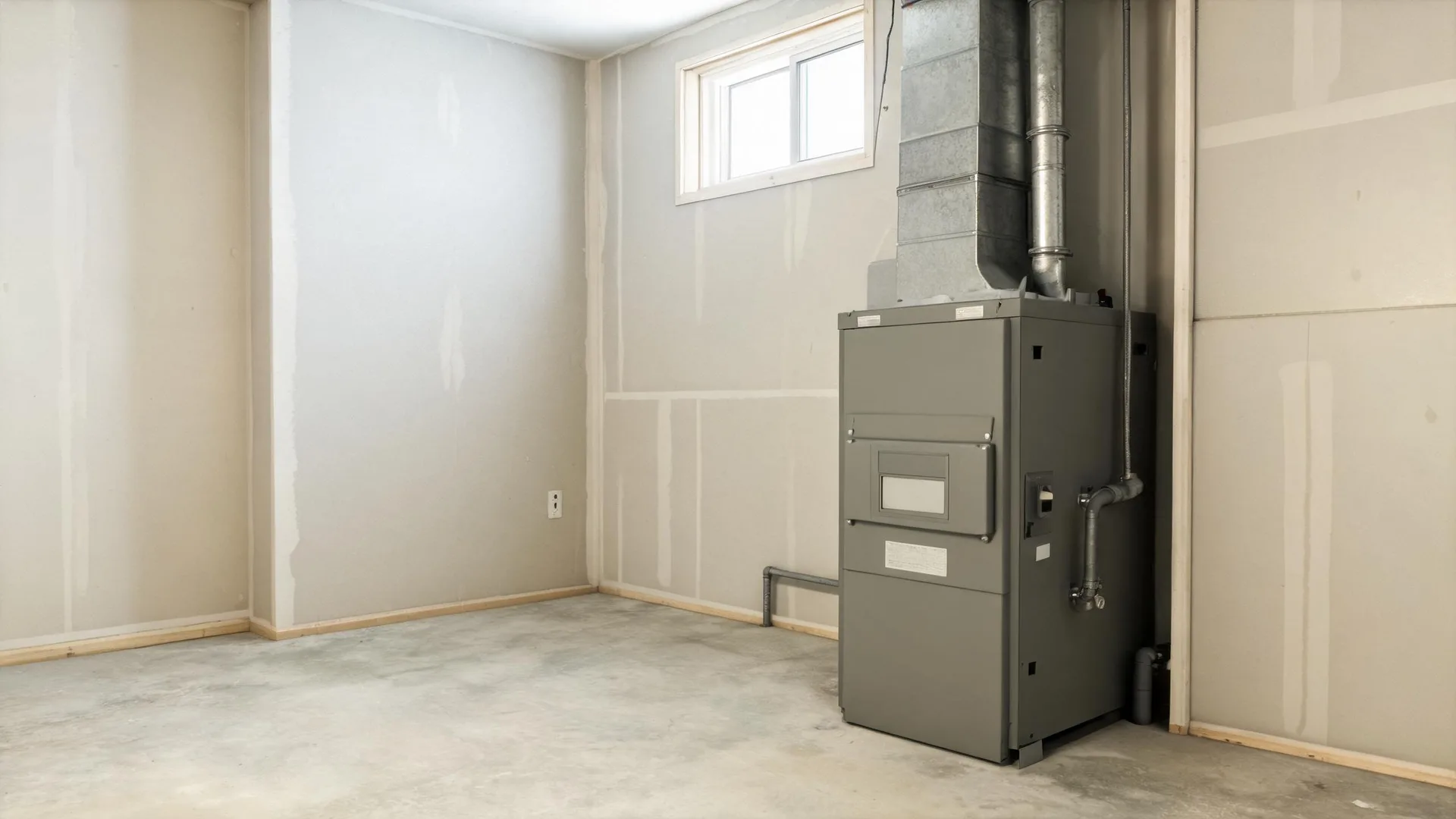
A gray residential gas furnace installed in an unfinished basement, connected to sheet-metal ductwork and PVC pipes.

Years of runtime wear a furnace down in ways a spec sheet won't show you

Two furnaces can carry the same efficiency rating and hold up completely differently once the weather turns bad. Ask what the furnace needs to start and keep running. Some use a hot surface igniter, a simple part that wears out over years of cycling. Some still use a standing pilot, which lights with a small flame that never requires power. Ask what happens to the furnace when the power drops out mid-cycle and comes back. Most modern furnaces reset fine on their own, but some control boards need the system flipped off and on at the switch before they'll fire again. Ask how the blower motor is driven. A furnace that short-cycles during a cold snap is working harder than one sized correctly for the house, so ask whether the contractor ran a load calculation or just matched the old unit's size. A furnace installed to match the last one isn't always the right fit for how the house holds heat now.

The size of the job sets the price before the furnace does

Swapping one furnace for the same type in the same spot is the simplest version of this job. Moving the unit, changing fuel type, resizing the ductwork or adding a vent through the roof all add labor and material beyond the furnace itself. A furnace that's a different size than the old one may need new return or supply duct to move that air without strain.

Venting decides a lot of what else gets touched

A furnace that burns gas has to vent the exhaust safely out of the house, either through a metal flue or a sealed plastic pipe through the wall. Changing from one venting style to another means new pipe, a new wall or roof penetration, and sometimes a change to the chimney it used to share with a water heater. That work is part of the install even though it has nothing to do with heating the air.

An unfinished concrete basement containing a gas furnace with sheet-metal ductwork, utility shelving, and exposed overhead joists.

A high-efficiency gas furnace would save about $100 a year to run in Allen County compared with a gas furnace.

  • A high-efficiency gas furnace$460 a year
  • A gas furnace$560 a year

Estimates for a typical Allen County home, from EIA household energy data, Indiana fuel prices and NOAA climate normals. Your home will differ.

The furnace that costs more up front still has to earn that money back through lower gas bills, and at $8.99 per million Btu, those bills were never that high to begin with. That's the math worth doing before you pay for the top tier. Where the extra money is better spent is on the install itself: a unit sized right for the house, venting done properly, and a setup the installer can walk you through when the power goes out mid-cycle. Ask what a model needs to restart after an outage and how it holds up during a cold snap, not just its efficiency number.