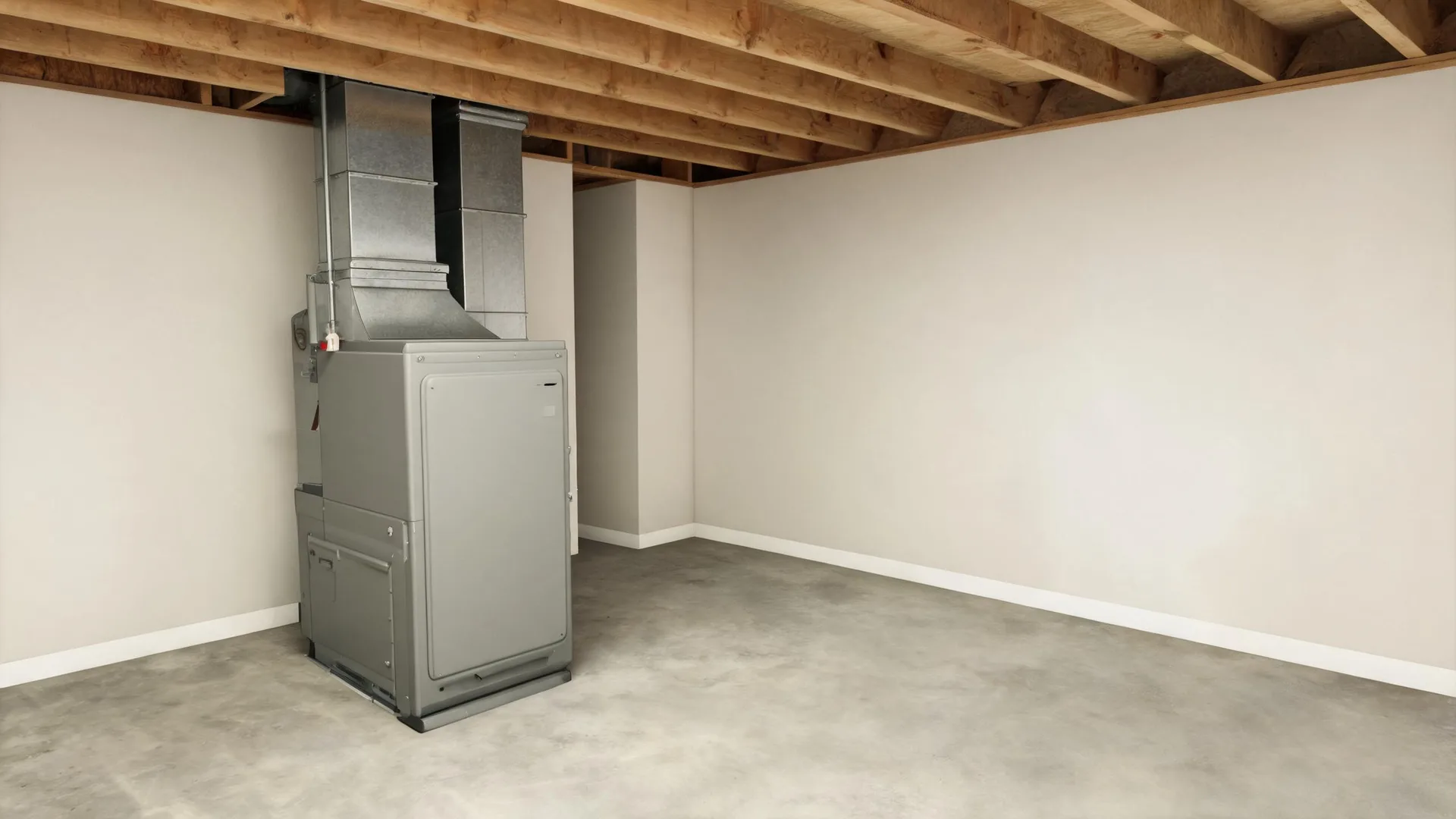
Gas is the common choice here
Utility gas heats 64% of homes in Johnson County, with electricity a distant second at 31.6%. A gas furnace is the system most installers here work on week in and week out.
Takes about a minute. No obligation.
Utility gas heats 64% of homes in Johnson County, with electricity a distant second at 31.6%. A gas furnace is the system most installers here work on week in and week out.
If your home already has a gas line run for a furnace, installing another gas furnace means the vent and gas connection are already in place. Switching fuel types means adding what isn't there.
NOAA nClimDiv, 1991–2020 normals
Furnaces in Johnson County start running in October.
A new furnace installed in September goes in on your schedule, not during the first cold snap.



A furnace that's too big for the house will short cycle. It heats the space fast, shuts off, and starts again a few minutes later, because it never runs long enough to bring the whole house to temperature evenly. That on-off pattern wears the ignition system and leaves rooms far from the thermostat colder than the rest. A furnace that's too small runs long, sometimes constantly during the coldest stretches, and still can't keep up. Getting the size right starts with a load calculation, which looks at the square footage, the windows, the insulation, and how the rooms are laid out, not just a match to whatever was there before. A contractor who sizes it this way instead of guessing from the old unit is doing the job properly.
Natural gas in Indiana ran $8.99 per million Btu in 2024. With energy costs this low, a high-efficiency furnace takes longer to pay back in lower bills. What matters more is a furnace sized right for your house and installed on a gas line that's already there.
Find a contractorThe old furnace doesn't get reused or passed down. Once it comes out, it gets scrapped, the heat exchanger and burners aren't something a contractor can refurbish and resell. What matters is what happens before it comes out. A furnace running on its last legs usually shows it first in the cycling, turning on and off more often, or in a burner flame that's gone yellow and uneven instead of steady blue. A cracked heat exchanger is the one that gets a furnace condemned on the spot, since it lets combustion gas mix into the air the blower pushes through the house. Disconnecting the old unit means capping the gas line properly and venting the new furnace correctly, since venting requirements change between a standard furnace and a high-efficiency one. That part of the job matters as much as setting the new furnace in place.
Parts and labor are different things, and a warranty that covers one doesn't always cover the other. Ask how long the labor coverage runs, since parts under warranty still cost money to install if the labor isn't covered too. Ask whether the warranty is void if someone other than the installing contractor services the furnace later.
A furnace installation should be inspected by the local building department, and that means a permit gets pulled before the work starts. If a contractor skips this, there's no inspection catching a venting mistake or a gas connection done wrong. Ask directly whether the permit and inspection are part of the quote, not an extra step left out.
Estimates for a typical Johnson County home, from EIA household energy data, Indiana fuel prices and NOAA climate normals. Your home will differ.
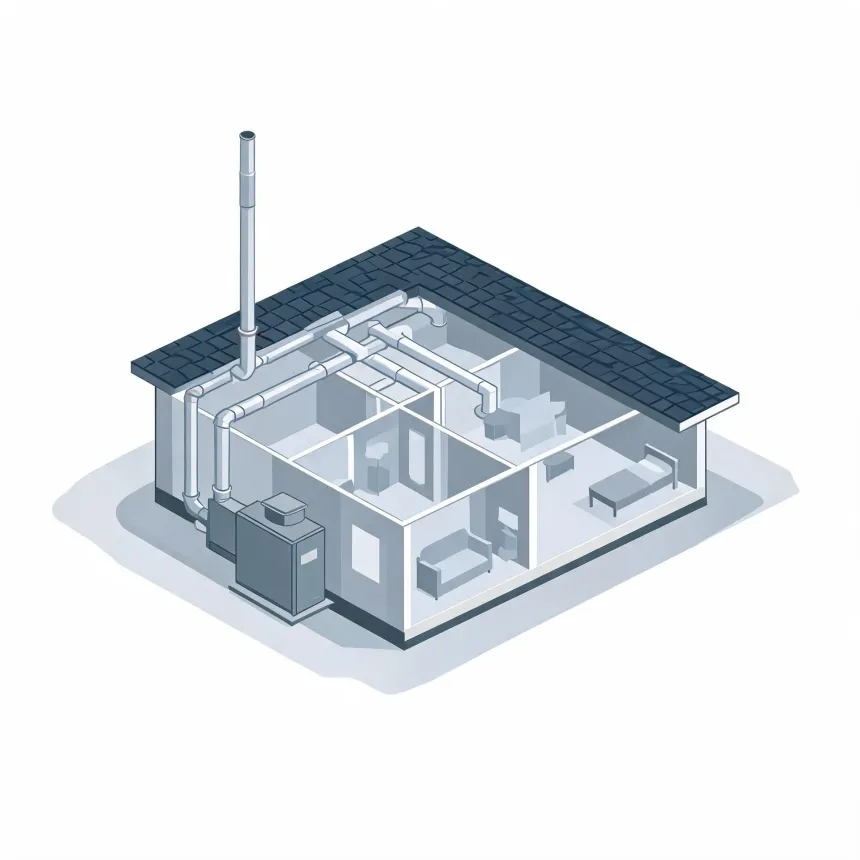
The old furnace comes out first, and the house has no heat until the new one's running, so a contractor works the gas line, the vents, and the ductwork connection in one pass rather than spreading it over days. The gas line gets pressure tested once it's hooked to the new furnace, checking for leaks before anything gets fired up. Line voltage wiring and the low voltage thermostat wire both need connecting, and the condensate line on a high-efficiency furnace has to pitch correctly or it backs up. Once it's set and sealed, the furnace runs through a full cycle while the contractor checks the flame, the airflow, and the gas pressure against what the manufacturer specifies. The ductwork gets checked too, since a furnace can be installed correctly and still heat unevenly if the duct connections leak.