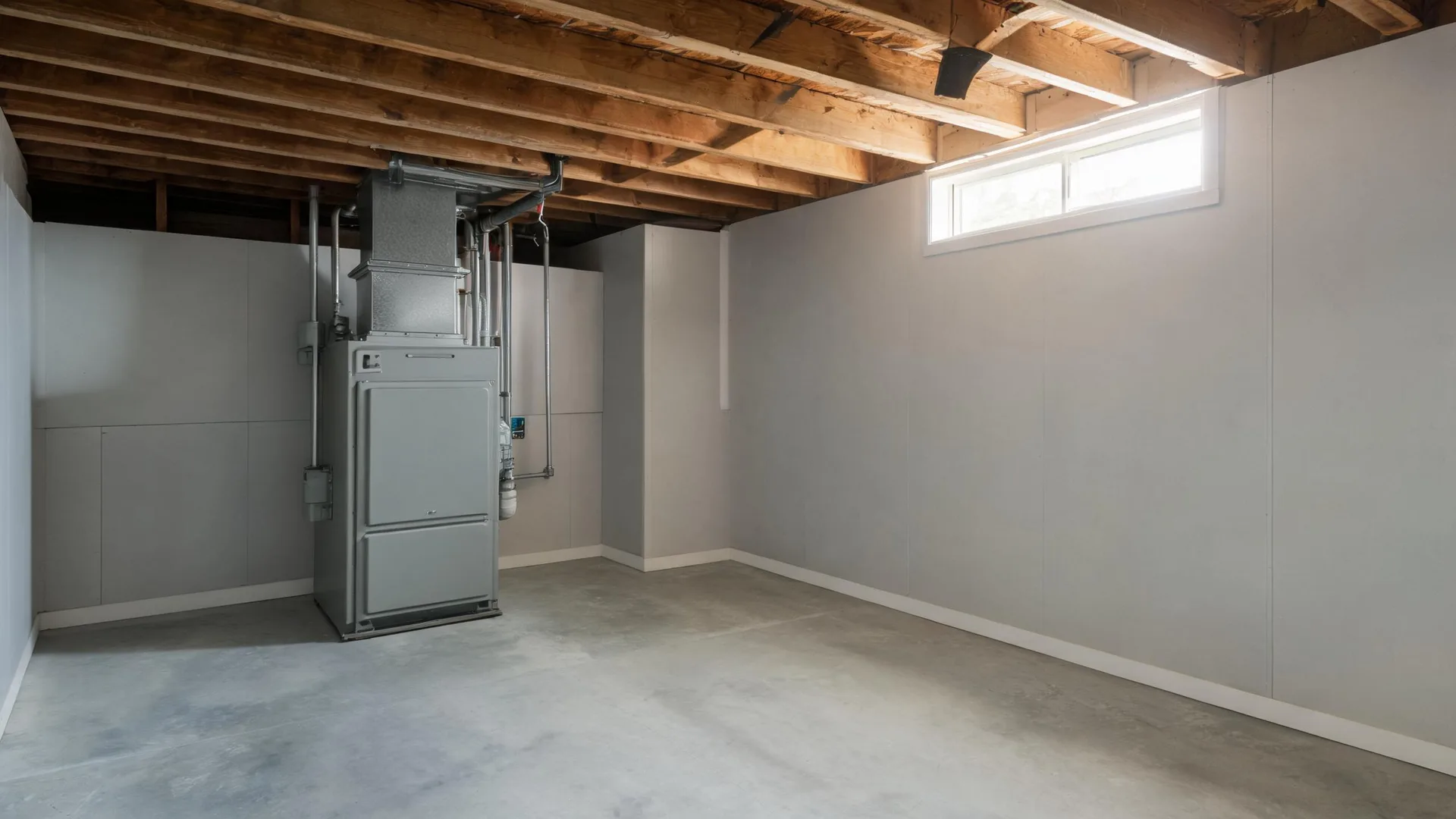
Gas is the default here
Utility gas heats 68.6% of homes in Howard County. If your old furnace ran on gas, a new gas furnace is the straightforward swap, and the gas line and vent are already in place.
Takes about a minute. No obligation.
Utility gas heats 68.6% of homes in Howard County. If your old furnace ran on gas, a new gas furnace is the straightforward swap, and the gas line and vent are already in place.
Electricity heats about a quarter of homes in the county. If yours is one of them, installation means matching the new furnace to the electrical setup already there, not adding gas service to the house.
NOAA nClimDiv, 1991–2020 normals
Natural gas in Indiana cost $8.99 per million Btu last year, cheap compared to most states.
A high-efficiency furnace here takes longer to earn back its price, so pick one for how long it lasts, not just the fuel bill.



Furnaces here run about eight months a year, October through May, so sizing it right matters more than chasing a high efficiency rating. Nothing about Howard County winters calls for an oversized unit or a top-tier model. Overnight lows average 21°F through December, January and February, cold enough that a standard furnace built for this climate will do the job without strain. A contractor sizing your replacement will size it to your house, the one you have now, not to the weather. That's the number worth getting right.
Heat here starts in October and runs through May, eight months straight once it gets going. Put a new furnace in during September and it's running on your schedule, tested and ready before the first cold night asks something of it. Wait until the system you have now quits on a cold morning and you're picking from whatever's in stock, installed in a rush.
Find a contractor
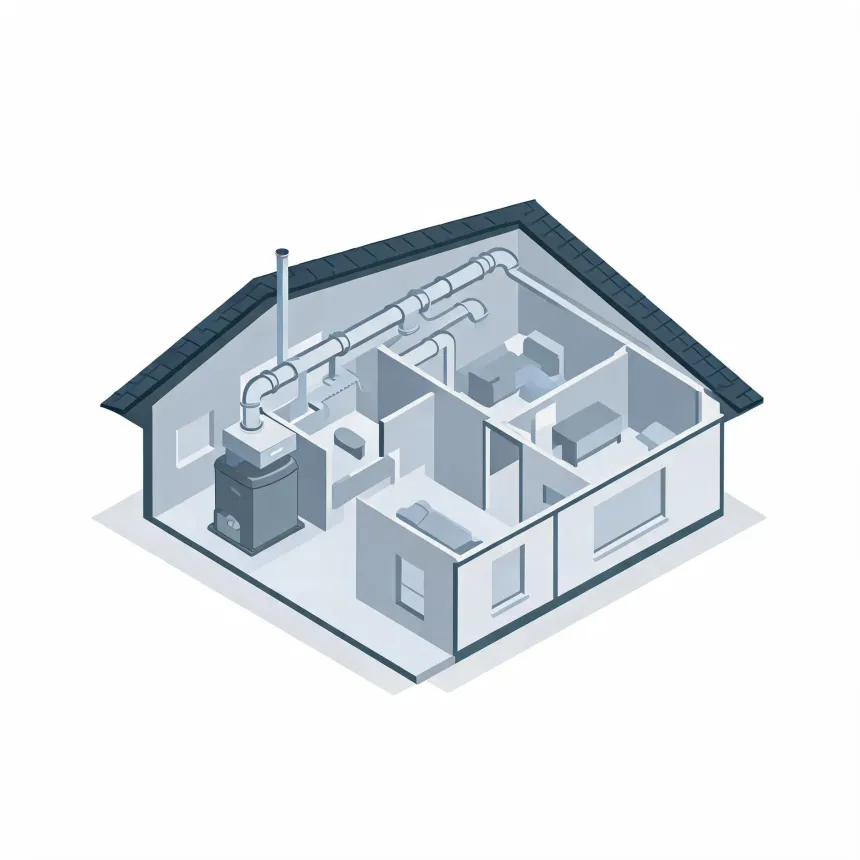
An old furnace in one of these houses has often been patched around whatever the duct and vent setup already was. When that unit gets replaced, the new one still has to breathe through the same ducts and vent the same way out of the house. A contractor sizing and installing your furnace needs to look at what's already there before anything goes in, not swap one box for another and hope the fit holds.
The efficiency number on a furnace tells you how much of the gas it burns turns into heat for the house, and how much goes out the vent unused. It says nothing about how big a space the furnace can heat. A high rating on an undersized furnace still leaves the house cold.
The furnaces with the highest ratings pull extra heat out of the exhaust before it leaves the house, which means a second heat exchanger and a condensate drain that standard furnaces don't have. That drain line can clog, and when it does the furnace shuts itself off rather than risk a leak. It's not a flaw, it's how that kind of unit is built, and it needs to drain somewhere sensible once installed.
Estimates for a typical Howard County home, from EIA household energy data, Indiana fuel prices and NOAA climate normals. Your home will differ.
When you're comparing quotes, ask each contractor to walk through how they sized the furnace, not just what brand they're pitching. A contractor who ran the actual load calculation on your house will size it differently than one who just matched what was there before, and that difference matters more than the brand name on the box. Ask what happens to the existing ductwork and vent, since a furnace that's a different size or type than the old one may need changes there to work right. Ask about the warranty on the heat exchanger specifically, since that's the part most expensive to replace and the one most worth knowing about before it fails. Ask who pulls the permit and schedules the inspection, because that inspection is what confirms the gas line, the vent, and the wiring were done the way they're supposed to be.