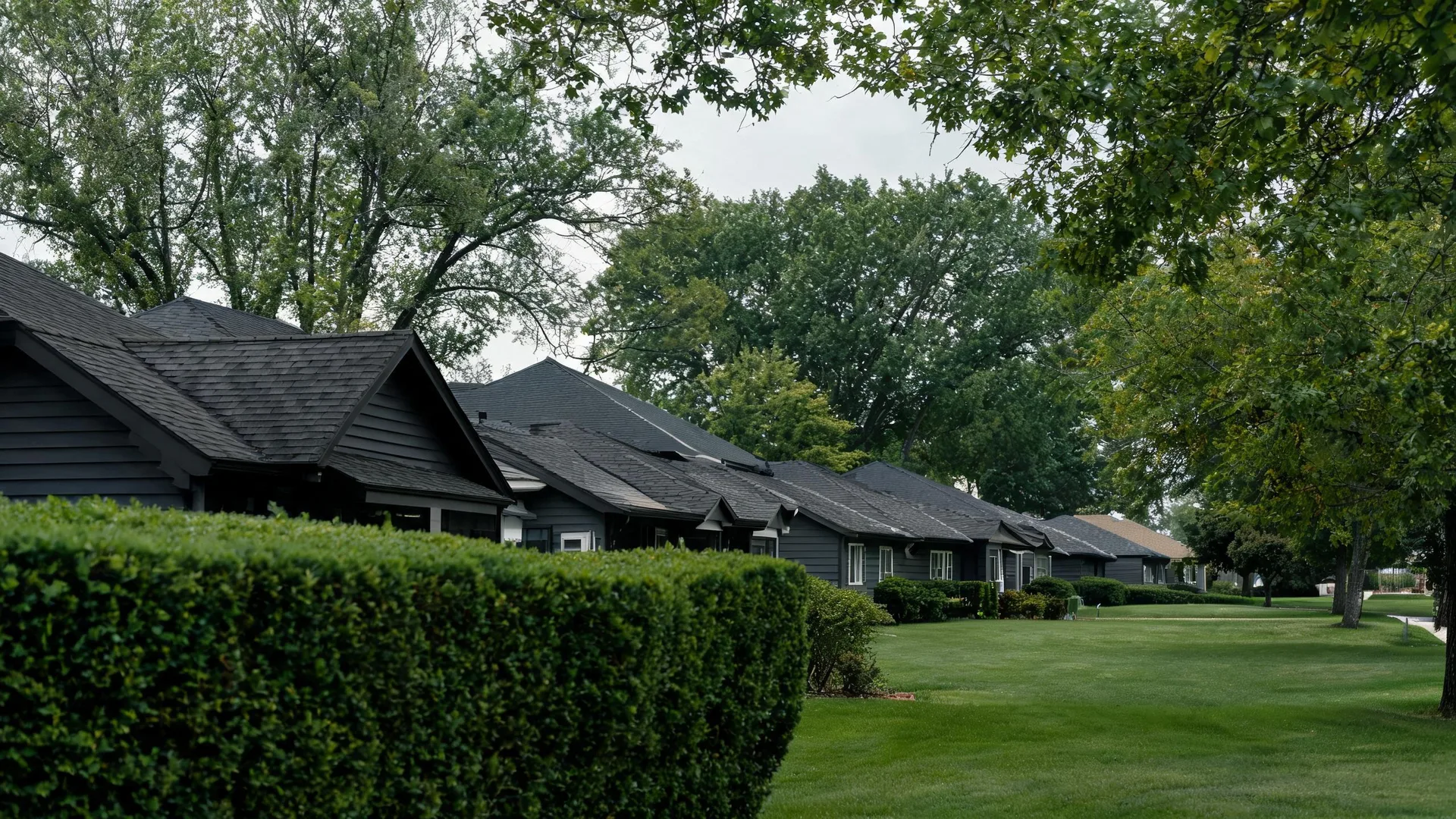





A row of dark-sided single-story houses with gray shingled roofs behind a trimmed hedge, with mown lawn and large deciduous trees under an overcast sky.

Furnace Installation in Logansport, IN

Tell us about the job

Takes about a minute. No obligation.

New system or replacementFurnace or heatingCass County, IN
Step 1 of 2

What ZIP code is the job in?

Most homes in Cass County heat with gas, 63.9 percent of them. If your house already has a gas line run to a furnace, putting in another gas furnace is usually the straightforward choice. A contractor can match the venting and gas line to what's already there instead of building something new. About one in five homes here heats with electricity instead, so a contractor working in this area will know how to size an electric furnace or heat pump too. Either way, the fuel your house already uses is usually the one worth sticking with.

8 months
October through May, your furnace is on duty
21°F
the average winter night it heats against
64%
of homes here heat with gas, so most furnaces here burn gas
80% AFUE
the federal minimum any new unit must meet
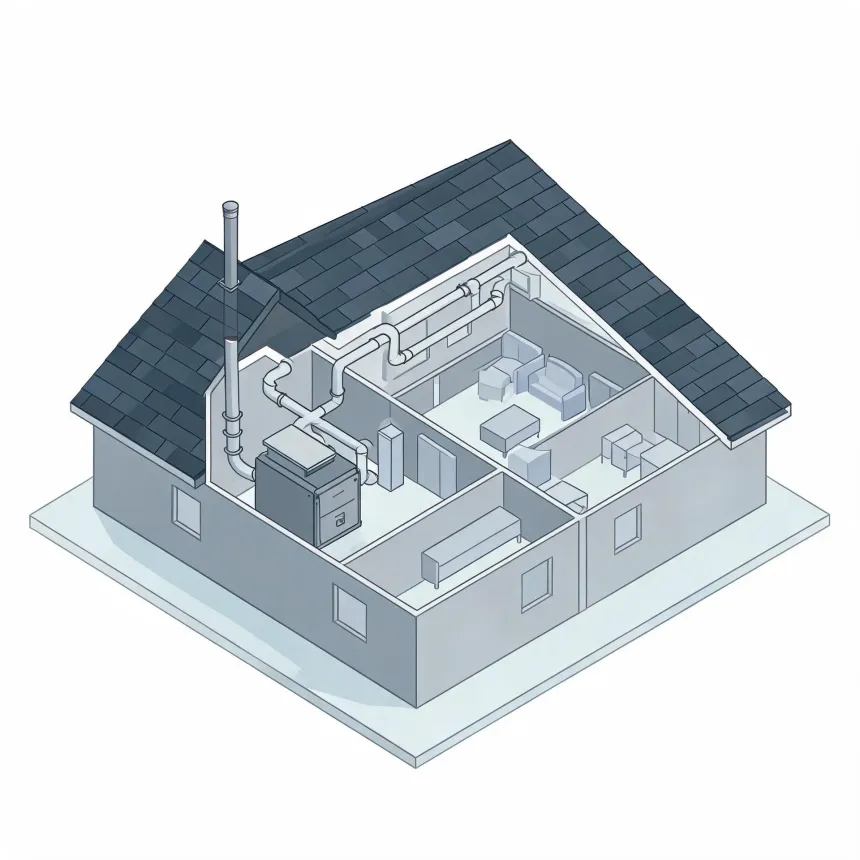
Isometric cutaway illustration of a single-story house with a dark shingled roof, showing interior rooms with furniture, ductwork, a flue pipe, and a furnace unit.
Your furnace works hardest from November through March.

NOAA nClimDiv, 1991–2020 normals

Natural gas in Indiana ran $8.99 per million Btu in 2024, cheaper than a lot of the country.

A high-efficiency furnace costs more up front and takes longer to earn that back here, so picking one that holds up matters more than squeezing out another point of efficiency.

Half these houses were built before furnaces here even had a duct system to tie into

Half the homes here were built by 1956
Heat runs October through May
Winter nights average 21°F
Sized for Cass County, nothing moreEight months of heat, overnight lows near 21°F, a standard furnace handles it

Furnaces here start running in October and stay on through May, eight months straight. September is the month to get a new one in, before the first cold morning makes the decision for you. Wait too long and you're replacing a furnace that's already failed, in a house that's already cold, with whoever can show up fastest. Do it in September and a contractor has the time to size it to your house and match the venting to what's already there. That's worth more than it sounds like over eight months of running.

Zone 5A sets the floor. Your furnace has to clear it.

Any furnace installed in Cass County has to clear 80 percent AFUE, the federal minimum for this type of furnace right now. That minimum rises to 95 percent for furnaces built on or after a cutoff date in late 2028, so what qualifies today will tighten later. A system installed now meets the current standard, and a federal tax credit is available if you choose equipment that goes beyond it.

Find a contractor
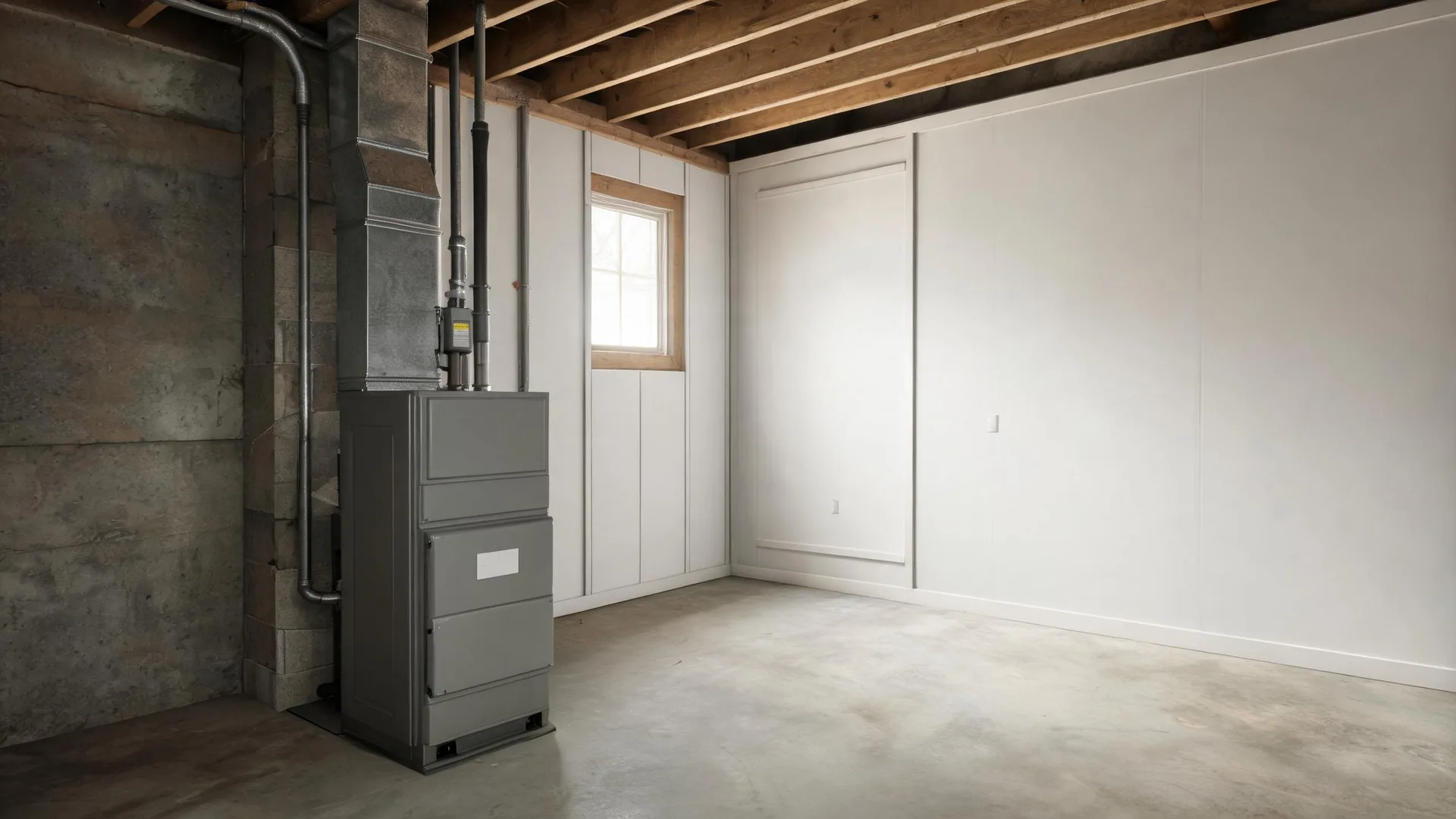
A gray residential gas furnace installed in an unfinished basement, connected to sheet-metal ductwork and PVC pipes.

Match the furnace to the house, not the other way around

Half the furnaces in Cass County are heating a house built in 1956 or earlier. If yours is one of them, the furnace going in now may not be replacing like with like. Have the contractor check the duct sizing and the vent run before they quote the equipment, not after. A furnace sized off a spec sheet without that check can end up wrong for the house it's heating.

Ask for a load calculation, not a guess off the old unit

A contractor should measure the house, the windows, the insulation, and figure out how much heat it actually needs. Pricing a new furnace off the size of the one coming out just copies whatever mistake was made the first time around.

Ask what happens to the vent pipe

A furnace that clears a higher efficiency than the old one often vents differently, through PVC pipe out the side of the house instead of up through a metal flue. That changes where the pipe runs and what gets patched or cut to put it there. Get that part of the job described before you compare bids, since quotes that look alike on paper can mean very different work.

An unfinished concrete basement containing a gas furnace with sheet-metal ductwork, utility shelving, and exposed overhead joists.

A high-efficiency gas furnace would save about $100 a year to run in Cass County compared with a gas furnace.

  • A high-efficiency gas furnace$450 a year
  • A gas furnace$550 a year

Estimates for a typical Cass County home, from EIA household energy data, Indiana fuel prices and NOAA climate normals. Your home will differ.

Installation day starts with the old furnace coming out, not the new one going in. Expect the gas line capped and tested before anyone touches the replacement. The duct connections get checked against the new unit's size, and if the plenum needs rework to fit, that happens before the furnace is set in place. Venting goes in next, and that's often the longest part, since running new pipe to a different exit point takes more time than reusing an old flue. Once it's set, a contractor checks gas pressure, airflow across the heat exchanger, and the temperature rise through the system, because a furnace running outside its rated range wears out early no matter how well it was sized. The last step is a carbon monoxide check at the furnace and anywhere else gas burns in the house, done before anyone calls the job finished.