





An unfinished basement featuring exposed ceiling joists, a metal HVAC unit with round ductwork, a hanging light bulb, and scattered boxes and debris along the left wall.

Furnace Installation in Portage, IN

Tell us about the job

Takes about a minute. No obligation.

New system or replacementFurnace or heatingPorter County, IN
Step 1 of 2

What ZIP code is the job in?

Gas heats 87.1% of homes in Porter County. Electricity comes in a distant second at 10.3%, and LP gas covers another 1.4%. If your old furnace burns gas, putting in another gas furnace is almost always the straightforward call. It matches the line already run to the house and the venting already in place. A contractor can tell you quickly whether your gas line and vent will work with the new unit or need changes.

8 months
October through May, your furnace is on duty
20°F
the average winter night it heats against
87%
of homes here heat with gas, so most furnaces here burn gas
80% AFUE
the federal minimum any new unit must meet
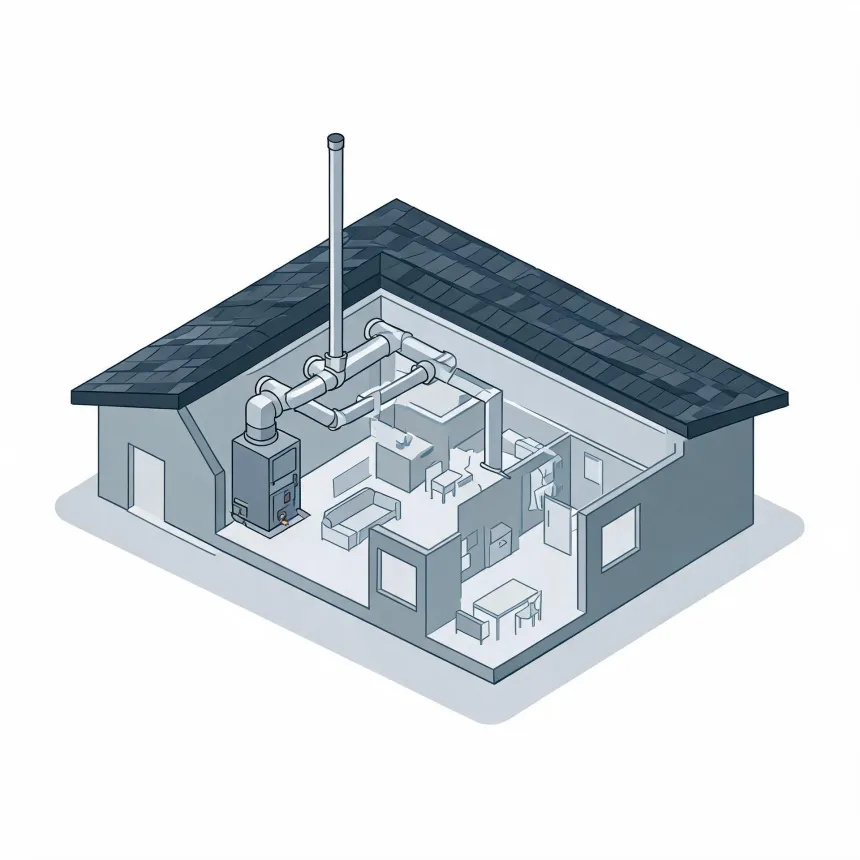
Isometric cutaway illustration of a single-story house showing interior rooms with furniture, a furnace unit with connected ductwork and a tall vertical flue pipe extending above the dark shingled roof.
Your furnace works hardest from November through March.

NOAA nClimDiv, 1991–2020 normals

A furnace too big for the house cycles on and off instead of running steady.

Short cycling wears out igniters and blower motors faster and leaves rooms uneven, so getting the size right matters more than getting a bigger unit.

Eight months of heat starts in October. Get the furnace in before then.

Heat runs October through May
Climate zone 5A
Winter nights average 20°F

Natural gas ran $8.99 per million Btu across Indiana in 2024, cheap enough that the fuel bill isn't where the real decision gets made. A high-efficiency condensing furnace will shave something off that number, but at this price it takes a lot longer to earn back the difference over a standard furnace. That changes what's worth paying for. Put the money into a furnace sized right for your house and installed with the ductwork sealed up, not into the highest efficiency rating on the shelf. A well-fitted furnace that runs steady will serve you better here than a top-tier one fighting bad ducts or the wrong size.

Eight months of heat, down to 20 degrees overnight

Furnaces here run from October through May, and overnight lows average 20°F through December, January and February. That's a long season asking a lot of the equipment. Get the size right and the installation done well, so the furnace you put in now can carry that load without straining.

Find a contractor
A man in a cap, gray long-sleeve shirt and tan work pants carries a canvas tool bag up gray porch steps toward a dark blue front door, with a blue ceramic planter and shrub beside it.
A gas furnace with attached ductwork, gas piping, and condensate lines installed in a concrete-block basement.

Get the sizing and the install right, not just the brand

A load calculation tells the contractor what size furnace your house actually needs. It looks at square footage, windows and insulation, not the size of the unit you're replacing. Ask for one before you sign anything. The install matters just as much. Ducts sealed at the joints, a return big enough for the blower, a flue run correctly. Those details decide whether the furnace runs steady through all eight months or short cycles its way to an early repair.

The ductwork decides the labor

A contractor sizing your furnace has to work with the ducts already in the house, not just the furnace itself. If the existing runs and the return are sized right, the installer connects to them and moves on. If a return is too small or a run has to be extended to reach the new unit, that's additional work beyond the furnace itself.

The furnace is one line on the quote

Venting, a new thermostat, work on the gas line itself, a flue liner. Any of these can turn up once the contractor inspects the house, and none of them are part of the furnace's price tag. Ask what the quote covers before weighing one bid against another.

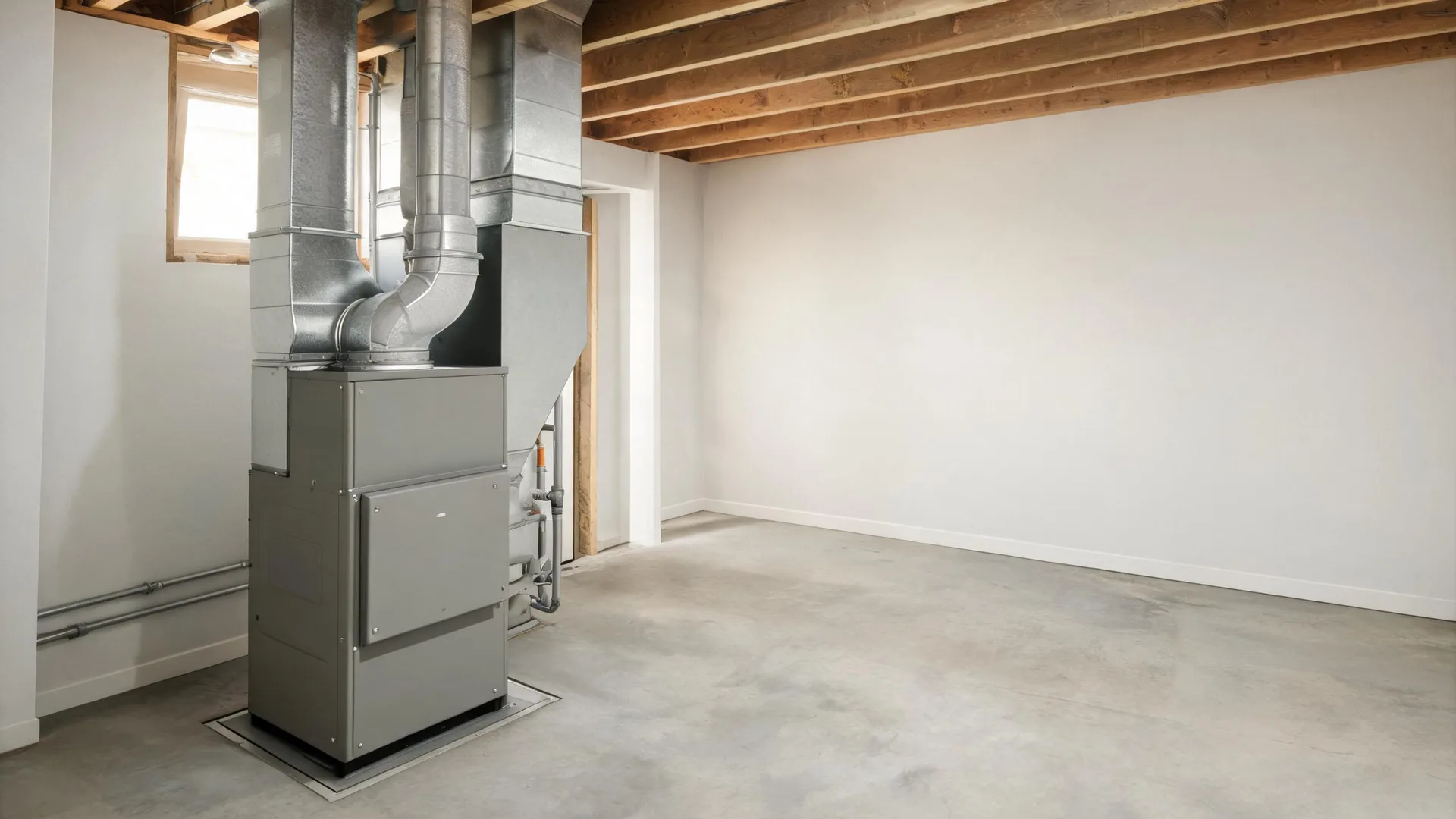
An unfinished basement featuring concrete block walls, exposed floor joists, and a metal forced-air furnace with ductwork near a central pillar.

A high-efficiency gas furnace would save about $100 a year to run in Porter County compared with a gas furnace.

  • A high-efficiency gas furnace$470 a year
  • A gas furnace$570 a year

Estimates for a typical Porter County home, from EIA household energy data, Indiana fuel prices and NOAA climate normals. Your home will differ.

The old furnace comes out first. The installer shuts off the gas, disconnects the flue and the ductwork, and pulls the unit out before anything new goes in. With the space open, they check the flue and the gas line for the new furnace and make any changes those need, then set the new unit and connect the ducts, the gas line and the flue to it. Once it's wired to the thermostat, the installer fires it up and checks the gas pressure, the temperature rise and the airflow against what the furnace is rated for. They'll also check the furnace for proper venting before they call the job done, since that's what keeps exhaust going outside instead of into the house. A furnace put in this way should run through the first cold night without any adjustment.