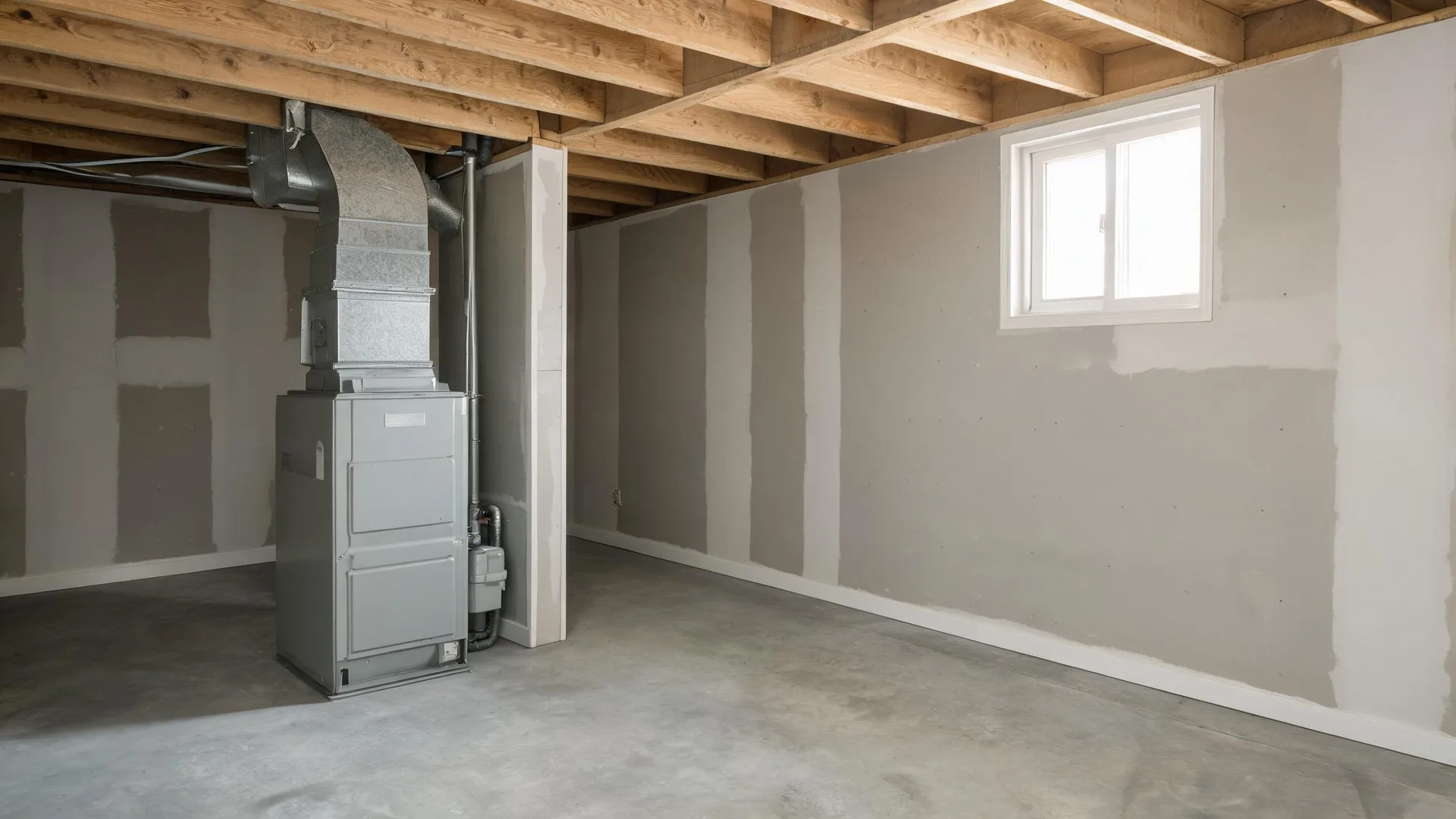
Gas is the common fuel here
Utility gas heats 65.6% of occupied homes in Kosciusko County. Most furnaces here are built to run on it, and parts and venting for gas furnaces are what contractors in this area work with most.
Takes about a minute. No obligation.
Utility gas heats 65.6% of occupied homes in Kosciusko County. Most furnaces here are built to run on it, and parts and venting for gas furnaces are what contractors in this area work with most.
If your home already has a gas line run to the furnace, replacing it with another gas furnace means no new fuel line and no new venting to plan for. Switching fuels is a different job, with different parts to install.
NOAA nClimDiv, 1991–2020 normals
Gas in Indiana ran $8.99 per million Btu in 2024.
A high-efficiency furnace costs more up front, and cheap gas means it takes longer to earn that back.



Furnace here runs October through May, about eight months of the year. Once it starts getting cold, a failing furnace turns into an emergency, and installation booked in a hurry means taking whatever appointment and whatever equipment is available. September is the month to replace it instead. The old unit is still running, so there's no scramble, and a contractor can take the time to size the new furnace to your home rather than match what was there before. By October it's installed, tested, and just part of the house.
A new system here will work harder than most, every year. Size it right and don't buy on price alone.
Find a contractorA furnace sized right for this place still runs eight months a year. That is the argument for a correct load calculation over a ballpark number, and for asking what's included if you're comparing bids. A unit sized to the house, not just swapped for what was there before, is the one that holds up to a full season of 20°F nights without running harder than it has to.
A furnace's efficiency rating says how much of the fuel it burns turns into heat for the house, and how much goes out the flue. A furnace rated higher wastes less gas doing the same job. It says nothing about how much heat the furnace can put out. A small furnace with a high rating can still be the wrong size for a house that needs a bigger one.
A furnace rated lower sends exhaust up a metal flue, the same way furnaces always have. A furnace rated higher cools the exhaust enough to send it out through plastic pipe, usually through a wall near the unit, and it produces condensate that has to drain somewhere. That changes what the installer runs and where, not just which furnace gets set in place.
Estimates for a typical Kosciusko County home, from EIA household energy data, Indiana fuel prices and NOAA climate normals. Your home will differ.
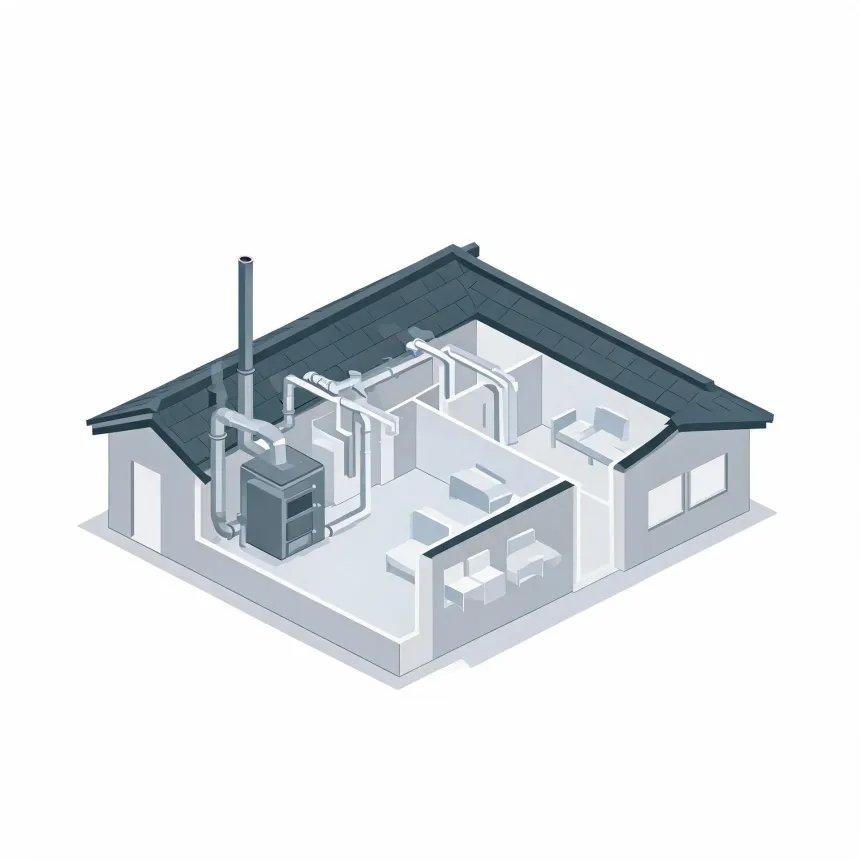
Installation starts with the old furnace coming out, along with anything that only worked for that unit, like venting sized for it or a flue that won't suit the new one. Gas gets shut off at the valve before any of that happens. The new furnace goes in on its pad or stand. Then the gas line, the venting, and the ductwork all have to connect to it, plus a condensate line if the furnace is high-efficiency. Low voltage wiring from the thermostat has to land correctly or the furnace won't fire, or won't run the blower when it should. Once it's hooked up, a contractor runs it through a full cycle, checks the gas pressure at the manifold, and checks the temperature rise across the furnace against what the manufacturer specifies. A furnace can run and still be set up wrong, and the only way to catch that is to measure it, not just listen for it to start.