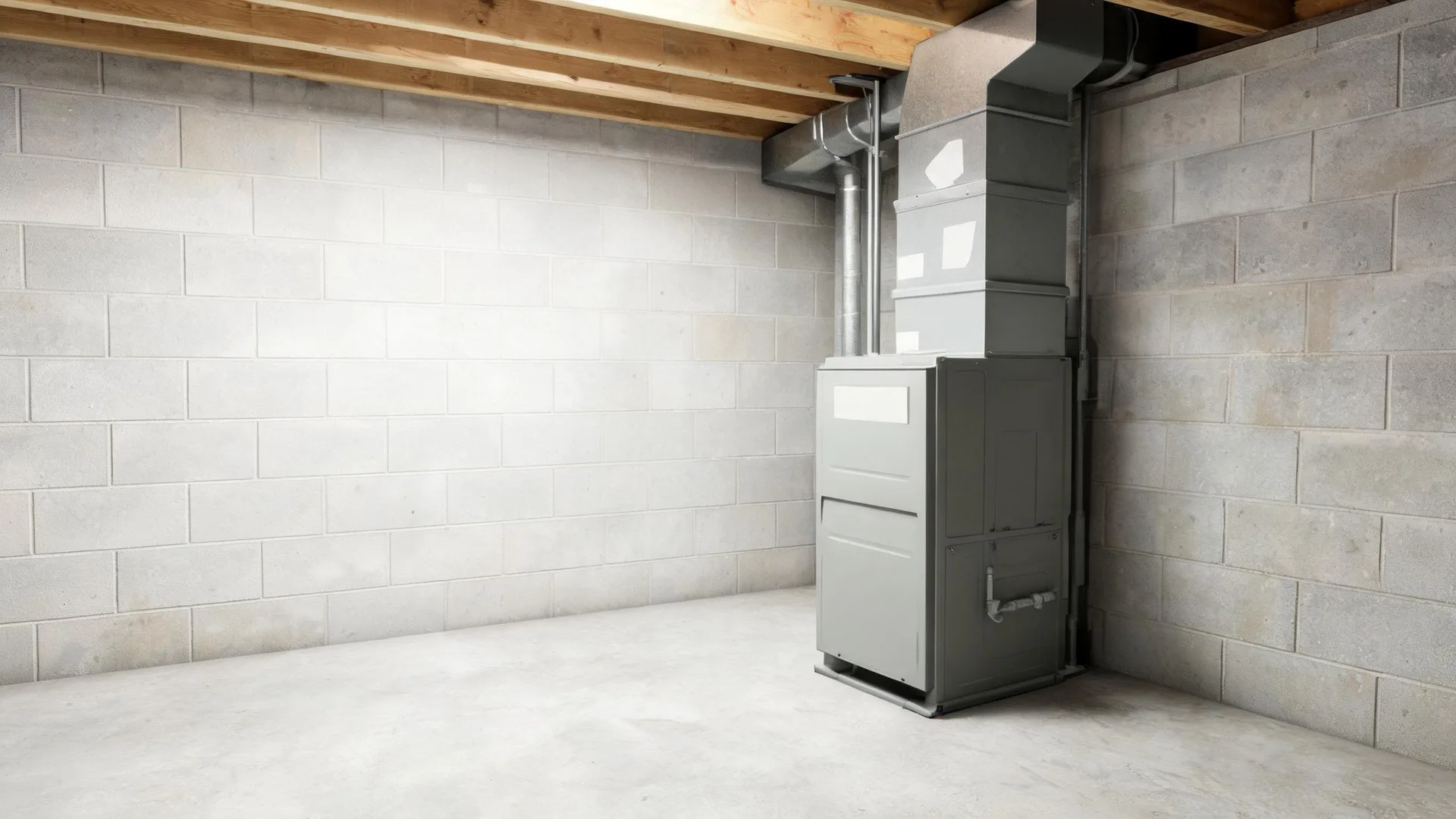
Gas is the default here
Utility gas heats 80.6% of homes in Elkhart County. If gas already runs to your house, a gas furnace is the straightforward replacement, and most contractors here install and service them every week.
Takes about a minute. No obligation.
Utility gas heats 80.6% of homes in Elkhart County. If gas already runs to your house, a gas furnace is the straightforward replacement, and most contractors here install and service them every week.
Because gas furnaces are what most homes run, technicians in the area carry the igniters, flame sensors and control boards for them on the truck, and venting work follows a pattern they already know.
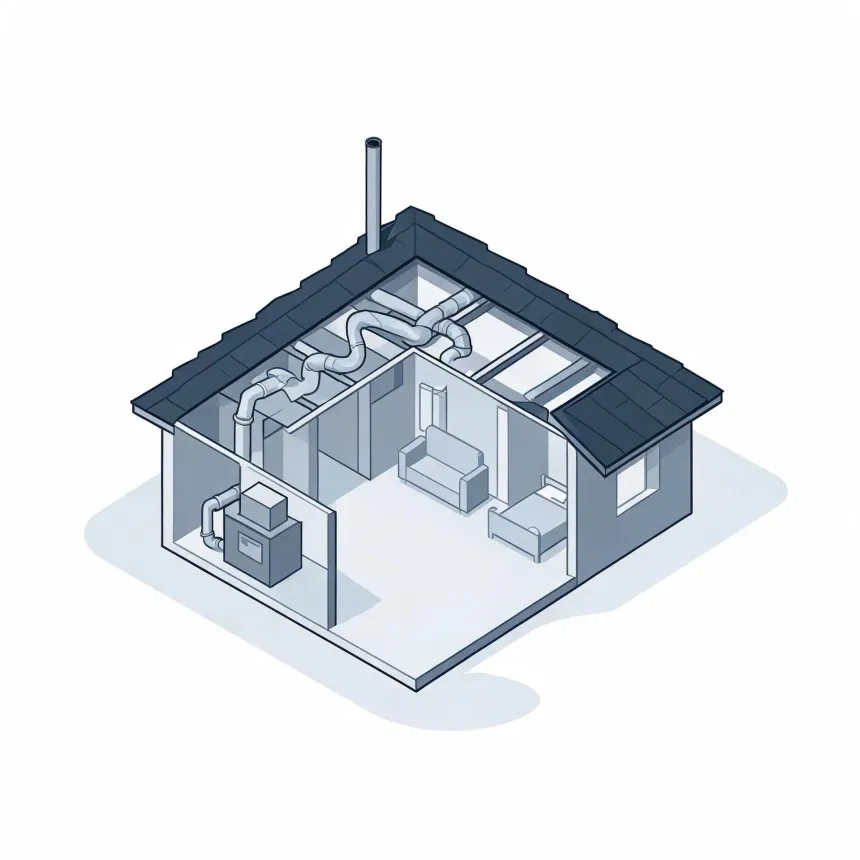
NOAA nClimDiv, 1991–2020 normals
Elkhart County sees damaging wind, hail or a winter storm most years.
A standard furnace install, done right, handles what the weather here brings.



Furnace here runs October through May, about eight months of the year. September is the last easy month to replace one before it has to carry the house. Installed then, a new furnace gets tested on a mild day instead of the first cold snap, and any adjustment gets made before you need the heat. Wait until October and you're scheduling around whatever else is backed up that week, not around what works for you.
Elkhart County homes split about evenly, built in 1977 or earlier and 1977 or later. Neither age calls for anything other than a properly sized, standard-efficiency gas furnace. What matters is matching the size to your house, not going bigger or paying for a higher efficiency tier you don't need.
Find a contractorEight months of run time a year wears on a furnace before it gets anywhere near old. The cycling adds up, and at 20 below the system has no slow setting to retreat to. That's the case for sizing this one to your house instead of your neighbor's. A furnace too big for the space cycles on and off more than it should, and that short cycling is its own kind of wear. Get the load calculated for your square footage and your insulation, not guessed from the unit you're replacing.
The gas line gets capped or rerouted to the new unit, the flue or vent pipe comes down if the new furnace vents differently, and the old cabinet gets cut loose from the ductwork and carried out. None of that is work you do after the fact. It happens the same day as the install, as part of it.
A furnace is mostly steel, copper and aluminum, and scrap haulers take all of it. The old heat exchanger, the blower motor, the sheet metal cabinet all get recycled rather than landfilled. You don't have to arrange any of this. It's part of what you're paying for when a new one goes in.
Estimates for a typical Elkhart County home, from EIA household energy data, Indiana fuel prices and NOAA climate normals. Your home will differ.
Installation day starts before anyone touches the old furnace. The new one gets sized, and the ductwork gets checked against it, so there are no surprises once the old cabinet is out and the house has no heat at all. Setting the new furnace and connecting the gas line, the flue and the ductwork is the bulk of the day. Then it gets fired up and tested, the airflow checked at the registers, the flame checked at the burner, the controls run through a cycle so you know it lights and modulates the way it should before anyone leaves. A combustion analyzer checks the exhaust so the furnace is burning clean, not just burning. Expect the house without heat for a stretch in the middle of the day, not the whole day. By evening the new furnace should be doing the job on its own, and anything that needs adjusting gets caught that same visit instead of on the first cold night.