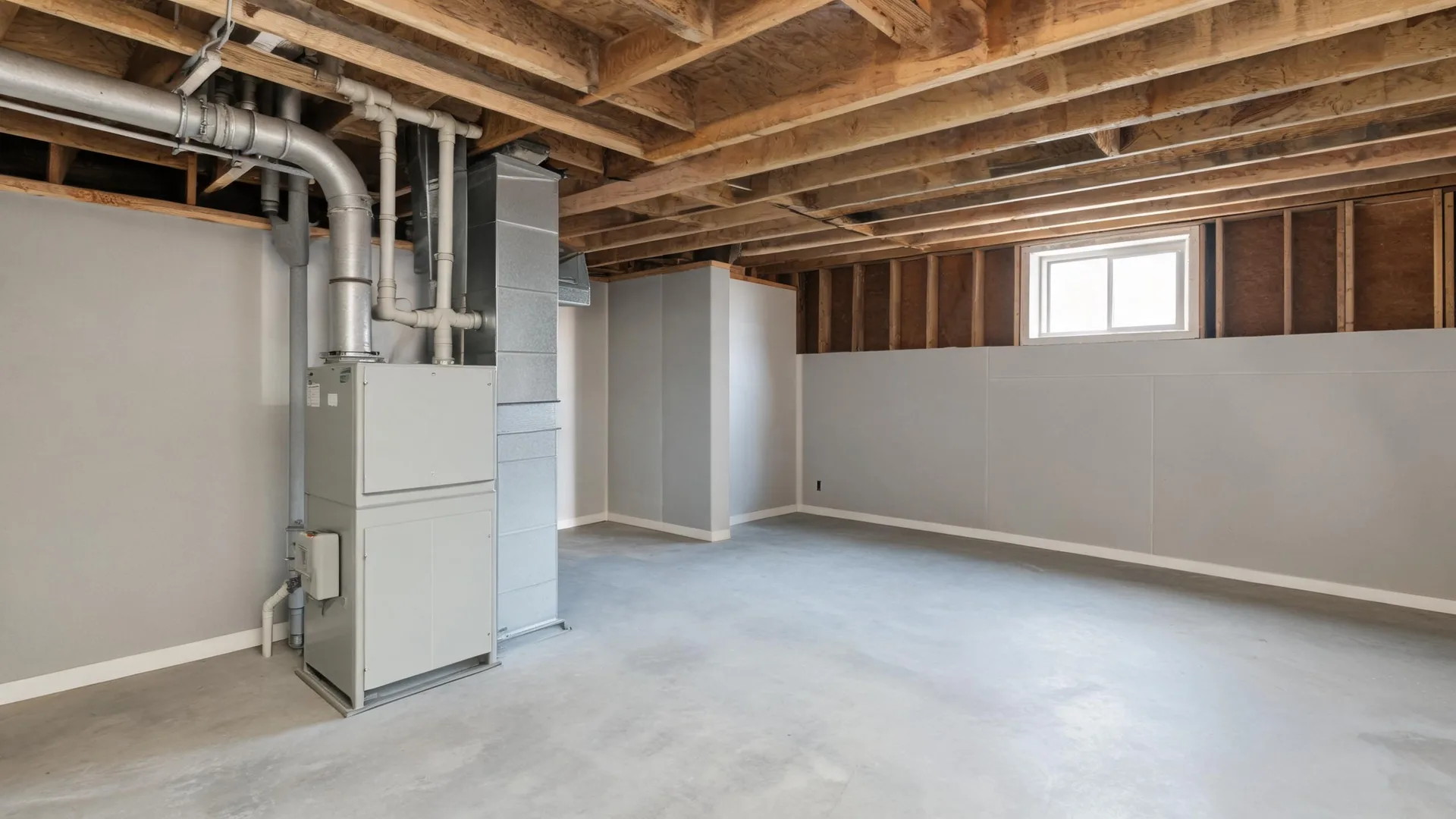
Gas is the common fuel here
Utility gas heats close to half the homes in Clark County, with electricity close behind. If your old furnace ran on gas, the line to it is already there.
Takes about a minute. No obligation.
Utility gas heats close to half the homes in Clark County, with electricity close behind. If your old furnace ran on gas, the line to it is already there.
A gas furnace going in where a gas furnace came out means no new fuel line and no new venting to plan for. The contractor still has to size the unit to your house, but the fuel question is already settled.
NOAA nClimDiv, 1991–2020 normals
Furnaces in Jeffersonville start running in October.
Get a new one in before September ends, and it's done before you need it.




A furnace here runs from October through April, about seven months straight, and overnight lows average 26°F through December, January and February. That's a normal heating load for this part of Indiana, nothing a standard-size unit can't handle. There's no reason to size up or chase a higher-efficiency model than the house needs. A contractor will still size the furnace to your square footage and layout, but the climate itself isn't asking for anything extra. Get the size right and a standard efficiency furnace will carry the house through winter without strain.
Replace it before the season starts, so it happens on your schedule, not in a hurry.
Find a contractorSizing a furnace comes down to a heat loss calculation, not the square footage on the listing. A contractor measures the walls, windows and ceilings, checks the insulation, and figures out how fast the house loses heat on the coldest day. Houses the same size can need different size furnaces if one has more glass or taller ceilings. Go too big and the furnace short cycles, blasting the house warm then shutting off before it runs long enough to pull moisture out of the air or heat the rooms evenly. Go too small and it runs straight through the cold without catching up. The right size runs long steady cycles, wears slower, and keeps every room close to the same temperature. That calculation gets done once, before the unit goes in. It's not read off the old furnace's nameplate.
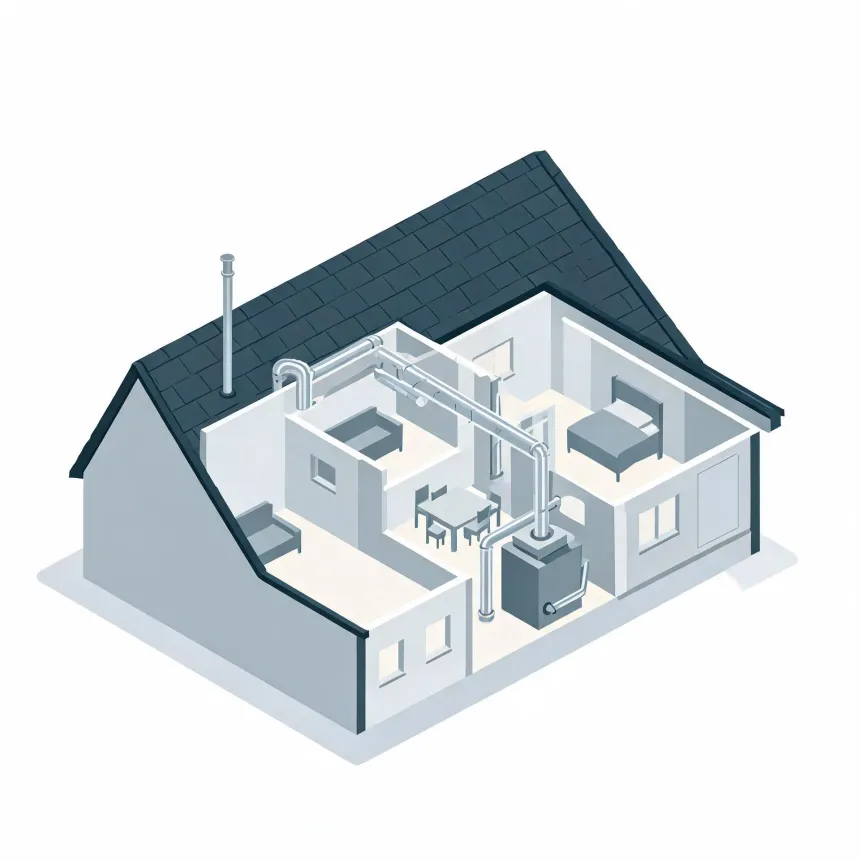
Whoever installs the new furnace disconnects the old one, cuts it loose from the gas line and the duct collar, and takes it out. The vent pipe or flue comes down too if the new unit doesn't use it. You're not left with a dead furnace sitting in the basement or the closet.
Before the new furnace goes in, the gas line gets checked for the right pressure and the ductwork gets looked at for leaks or damage. An old furnace can hide a duct problem for years just by running longer or harder to make up for it. A new one won't, so it's worth fixing before the swap, not after.
Estimates for a typical Clark County home, from EIA household energy data, Indiana fuel prices and NOAA climate normals. Your home will differ.
Installation day starts with the old unit coming out, then the house sits without heat for a few hours while the work gets done. The new furnace gets set in place, connected to the gas line, the ducts and the vent, then wired in. Once it's hooked up, the contractor fires it and checks the flame, the gas pressure and the temperature rise across the heat exchanger to make sure it's running the way the manufacturer specs it. Airflow gets checked at the registers too, since a furnace can be wired right and still move too little or too much air if a duct run is off. Nothing gets left for later. A furnace that's installed right is tested and running before anyone leaves, not scheduled for a follow-up visit.